


Raw or cooked, which is the best cooking method?
The carrots are cooked…. Yes, but how? Steamed, stewed, in the oven? If you too are getting your spatulas tangled, take stock!
By Alexandra Raillan
Of course, not all foods pose this dilemma. Some are necessarily eaten cooked, and others, like fruit for example, are preferably eaten raw. But there are still a wide variety of dishes that play on both sides. Delicious in salads, crunchy in gratins. Perfect in a gazpacho or in vegetable slices. In short, we no longer really know what is best, in terms of nutritional balance.
Preserve vitamins as much as possible

This is the great hobby of naturopaths. It is preferable to eat raw vegetables in order to best preserve vitamins and minerals. Indeed, from 60°C, vitamin C disappears, from 90°C, it is the vitamins of group B that go away and, from 110°C, all the fat-soluble vitamins (A, D, K). Yes but… it is not so simple because if cooking alters the nutritional compounds of our green friends, raw food can upset some fragile stomachs and intestines.
Moral: alternate as much as possible and listen to yourself in order to respect your body. One of the tips for eating more raw foods is to reintroduce starters into our menus. For example, in the spring, you can rediscover: zucchini gazpacho, beetroot salad or radish salad. Do you really have trouble digesting raw vegetables? Reverse the order and finish with the starter after the main course. As a full-course meal, you can try poke bowls, a very nice Hawaiian dish with lots of vegetables, raw or marinated fish (tuna or salmon for example) and a base of rice or legumes. Also remember not to buy too many fruits and vegetables on Sunday at the market and leave them lying around in the vegetable drawer. It is better to buy less, but more often. Finally, to benefit from a perfectly balanced plate, also remember to vary the oils (olive, walnut or grape seed, etc.).
Discover other cooking methods
There are different cooking methods that preserve nutrients.
Steam cooking:
If possible, opt for steam cooking, which is the best way to preserve vitamins. The temperature of the food should not exceed 90°C. Choose glass or stainless steel steam cookers.
And, above all, keep an eye on the timer. Don't cook them for too long in order to keep the vegetables crisp. For example, 5 minutes for new carrots, 10 for asparagus, 15 for cauliflower, etc. Cut your vegetables roughly and not into small pieces to preserve the micronutrients even more. And above all, wait until the last minute to peel and prepare them, otherwise bye bye vitamins.
Braising:
This slow cooking, which does not exceed 95°C, is done without fat with a lid.
Baking:

Choose the long version but at a low temperature or in a steam oven if your model allows it. Followers of Traditional Chinese Medicine will tell you: never excess, neither too hot nor too cold. The best cooking method for them? The wok which had its moment of glory in Europe.
The point? Just brown the vegetables a little so as not to eat them completely raw. Note, if you had to remember only one thing from this ancestral medicine: avoid eating foods that are too cold (just out of the fridge for example) or too hot. As with cheese, let the food sit at room temperature for a while before serving. This is, for example, a very good idea for Sunday brunches at home. Ayurvedic medicine, on the other hand, favors cooked foods for the digestive comfort that this provides.
Follow the basic rules
Consume local and seasonal products, it's the best way to preserve the vitamins in food! The skin of fruits, preferably organic, is full of benefits. Rinse them well (with a little baking soda) before eating them without peeling them. For vegetables, if they are a little stale, don't hesitate to add a dash of lemon juice to give them a boost (and some Vitamin C) at the same time. As for plunging food into a pan of water, boiling or cold, it all depends on the nature of the vegetables. It is said that vegetables that grow in the ground, such as potatoes, beets and carrots, should start cooking in cold water. Other vegetables, which therefore grow at ground level, such as green beans, corn, cabbage, prefer boiling water.
What about raw meat and fish?


Not all foods of animal origin can be eaten raw for health and hygiene reasons (risk of salmonellosis, for example). Which ones should be eaten raw? Some fish, such as tuna, salmon and swordfish, can easily be eaten raw. For meats, it is more likely to be cuts of beef: carpaccio and steak tartare are a delight for some guests.
A word of advice: find a trusted craftsman to get excellent quality cuts if you ever make your own raw dishes. And above all, prepare them straight away. Or reserve these cravings for your restaurant outings!

Children: how to make them want to eat healthily?

More carrots, fewer fries, easy to say but not so easy to implement. The paths to follow to encourage the little ones to eat better with Herveline Giraudeau, psychologist and co-author of "I avoid burn-out in the kitchen."
Preparing meals for the whole family is a real headache that is dangerously close to mental load... Except that all the experts will tell you, when it comes to food (as well as education) it is our actions that count more than our words. So we put on our super parent hat to show him the right path to the nicely garnished plate.
The Vegetable War
For the co-author of "I'm stopping burnout in the kitchen" (Ed. Eyrolles), Herveline Giraudeau, "the most important thing is to avoid a power struggle with your children. When one of them doesn't like vegetables, it is necessary to take a step back and hold on to the idea that tastes evolve in life." And above all, the psychologist emphasizes, we absolutely avoid the classic "a spoon to please mom (or dad)" which is especially likely to create an unhealthy relationship with food. Also remember that forcing him to finish his plate is one of the common mistakes that pushes little ones to cut themselves off from the basic signals of hunger and satiety... To be avoided absolutely, otherwise you risk seeing him yo-yo with the scale during adolescence!

So, yes, we let them taste each food, but no, we don't force them to finish their plate. It's also good to learn to manage your food bowl so as not to exceed your limits. And, we don't deprive them of dessert either! Still to return to the thorny issue of vegetables, also remember that there are many varieties, so imagine a game with your child, each season, make a list of the vegetables he likes and those he will try (of his own free will). There are many seasonal vegetable calendars on the internet for this that you can hang on your fridge door. "By choosing from your list of friendly vegetables, it's easier to put green on your plate" reminds the psychologist and author of the committed blog "Sortez de vos conapts". Finally, also think about varying the cooking methods. Endives in salad do not have the same taste (and the same bitterness) as cooked endives at all... The same goes for spinach or cauliflower. Of course, you can slip these unloved vegetables into gratins and other vegetable lasagnas, but making them eat camouflaged vegetables is also a bit of cheating... Think instead of associating them with moments of conviviality, like an aperitif with friends, in the form of sticks in order to avoid the eternal peanuts and caloric chips when they are not vegetable!
Sioux Techniques for Balanced Meals

Without really cheating, you have to learn to be as cunning as possible to make them eat a balanced diet. The ideal plate? A little of what they like (pasta, rice, etc.) and a little of the rest too. Then, "the order depends on the child, they can start with the pasta and finish with the rest or the other way around" concludes Herveline Giraudeau. Another foolproof technique? Get them involved. Both in preparing meals, by explaining to them why pasta morning, noon and night is not possible, and by emphasizing the importance of focusing on balance (proteins-carbohydrates-lipids but also fiber and vegetables) over the week (including lunches in the canteen) and variety of pleasures.
The good idea? Take some time to work out the menus for the following days together, along with everyone's tasks (setting the table, clearing away, etc.). You can also cut out illustrated portions of starches, fruits and vegetables, dairy products, good fats and proteins (meat, fish or eggs) and thus see at a glance whether you are consuming all of these foods every day.

Some evenings if you have time, or on weekends, you can also ask the little chef to come and help you prepare the meal. A friendly moment of sharing that will open the doors of Top Chef to him in a few years! In the meantime, we advise you to subscribe to the children's cooking magazine " Carotte et chocolat ", so that your little cherub receives each month by mail his magazine with fifteen recipes deciphered step by step. This month: chicken Tikka, ratatouille turnovers and for dessert, croque banane! A fun way to get behind the stove!
Other ideas: if you can, grow a vegetable garden or take him to the farm regularly. Do you live in the city? Give him the task of watering (without drowning them) the aromatic herbs on the balcony or sign up together for a cooking workshop near your home. You can also, when he is a little older, take him to an organic store and give him "carte blanche" (within a reasonable budget, we don't prepare the meal for the whole building either) in the aisles to prepare the evening meal. It's a fun technique to help him discover new flavors! And, when he is the one who chooses, it's necessarily better

How to pamper your intestinal microbiota?
Star of medical conferences in recent years: the intestinal microbiota . Indeed, whether it is depression, Parkinson's, Alzheimer's, weight gain, skin irritations , fatigue, intestinal disorders or even a lowered immune system, the key to all these ailments is at the heart of our stomach. To prevent them, here is how to pamper this precious microbiota.
A curious reality that no one escapes: our body is colonized by more than 10,000 billion bacteria that weigh one to two kilos. However, we must differentiate between good bacteria and harmful ones within the microbiota in our intestines. The good ones help stop the growth and multiplication of pathogenic germs while the bad ones explain inflammation, disorders and diseases. It's all a question of balance between the two categories. Far more numerous than all the cells in our body, these little creatures ensure digestion of course, but also protection against parasites and the proper functioning of the immune system. To cultivate the right balance within this curious colony, all you need to do is adopt "microbiota friendly" reflexes.
1 – Review your plate
To stock up on pre and probiotics essential for a top microbiota :

- Opt for fruits, vegetables and legumes rich in fiber to feed and help good bacteria to develop. Indeed, fibers are non-digestible food ingredients rich in prebiotics, the food par excellence of the good bacteria of the microbiota. The digestion of these fibers by the latter provides good fatty acids for health. The average consumption per day of fibers is estimated at 20 grams while it should reach 25 to 30 grams.

- Bet on onion, shallot, leek and garlic which arrive directly in the intestine to deliver their precious prebiotics in situ. Of course their ingestion can be the cause of small digestive disorders, this is normal since we do not digest them.
- Season with herbs and spices without moderation. Turmeric, tarragon, cinnamon, thyme, oregano ensure the destruction of pathogenic bacteria that invade and alter the microbiota. This explains why in hot countries, dishes, and especially those based on meat, are flooded with spices. The latter are there to kill the fungi and bacteria that mainly deteriorate meat.
- Choose organic to avoid pesticides which alter the balance of the microbiota.
2- Discover fermented foods
Fermented foods provide probiotics to the body and therefore to the microbiota. These probiotics are good bacteria, microorganisms (such as yeast, bacteria, etc.) capable of rebalancing the flora of the intestine. Lactobacillus and bifidus are the most famous. To be harvested in yogurts, miso soup, sauerkraut, large pickles, vinegar, soy sauce and especially in fermented drinks such as kefir and kombucha.
3- Avoid alcohol
Alcohol consumed without moderation, that is to say more than one to two glasses per day, is very bad for the health of the microbiota. Indeed, a study published in the journal Microbiome shows the decrease in the number of lactobacilli, good bacteria that fight against inflammation and an increase in bad bacteria.
4- Limit milk, sugar and gluten
Milk casein can cause inflammatory reactions if it passes into the bloodstream due to a deficient microbiota and a sieve-like intestinal mucosa. In addition, milk also contains Lactose, a constituent of milk, which requires the presence of a special enzyme (lactase) to ensure good digestion. This enzyme, which decreases with age, explains certain digestive disorders.

As for sugar , it feeds Candida albicans, a fungus naturally present in the body. If the latter proliferates too much, it disrupts certain functions of the body causing certain symptoms: insomnia, irritability, chronic fatigue, intestinal disorders, excess weight, genital infections, etc. This condition, candidiasis, is still poorly understood and little diagnosed. Finally, beyond a real intolerance to gluten, some people may have difficulty tolerating it because the degradation of wheat releases proteins that can damage the intestinal mucosa and its microbiota causing discomfort and digestive disorders.
5- Reduce additives
Even if some additives are still considered non-dangerous or even beneficial, such as citric acid or polyphenols, others, such as certain thickeners (E415 or xanthan gum), could affect the intestinal microbiota and cause inflammation. As a precaution, avoid as much as possible ultra-processed foods, the main providers of the 4 kilos of emulsifiers, colorants, sweeteners and bulking agents that a 70 kg person absorbs per year. A figure that can rise to 9 kilos for industrial food addicts. If manufacturers reduce their presence, nothing replaces Clean Eating for a peaceful intestinal microbiota and an extra-flat stomach.
Beyond a "microbiota friendly" diet, regular and moderatesports activity is essential to promote a good balance between the good and bad bacteria in the intestinal flora. On the other hand, too intense an activity weakens this balance, which is the cause of digestive disorders well known to great athletes.

Essential... aromatic herbs!
They are fragrant, often slender, highly tasty, they have the secret of waking up all dishes. We have a crush on chic aromatics… andclean .
On their frail shoulders rests the mission to amaze, pimp, alkalize, invigorate, potentiate, regulate. Their almost unlimited powers seduce naturopaths and nutritionists who never stop praising their merits so that you, clean addicts, adopt them. All of them, or almost, and definitively.
“As soon as I studied them, they surprised me,” says Aurélie Canzoneri, naturopath. “When you don’t know anything about them, you just think about adding a few pinches of aromatic herbs here and there for their flavor, even though they have real health benefits.” This is one of the many messages that Aurélie shares with her podcast on the power of plants and with her community of more than 38,000 followers on Instagram *.
As if she were shelling a pistachio, Aurélie takes a new plant and sets off on a meticulous, educational and didactic exploration. Every two weeks, she presents their virtues, their sometimes unexpected uses. This enthusiast of healthy and enjoyable food mixes anecdotes, recipes, and tips. Talk to her about aromatic herbs, she gets excited "I love them! They help with digestion but above all they sweep away all the prejudices about healthy eating . When someone tells me that this diet consists of combining steamed vegetables with a drizzle of olive oil... I slip into the routine of aromatic herbs and it changes everything! It's even what allows the first step towards adopting a new way of eating healthily and tasty" insists Aurélie.
And if the first criterion is that these herbs are clean, just buy them local, fresh and seasonal. If they are already dried, choose them local and organic . Then, it is important to store them well, away from dust, or in a cool place in an airtight container so that they do not absorb the odors from the refrigerator.
Within reach…
You don't have a garden? No problem! Most of these superb plants would almost be happy with a handkerchief. While some, like the lizard, require the sun (rosemary, thyme, hey, hey, that smells of the South!), others flourish in the shade of a pergola (mint, chives). The main thing is to provide them with soil that does not remain damp, they hate having their roots in soaked soil. To do this properly, drain it with clay balls to allow the water to drain. Monitor the soil regularly and add a little water, without flooding, as soon as the soil is dry on the surface. Unlike sage or rosemary, which are very hardy and come back year after year, ephemeral plants such as basil, chervil, coriander and parsley should be sown every year, preferably in the spring: make the most of them before they fade. So get out your pots, window boxes or other mini vegetable gardens, they're just waiting for your recipes to come to the table!
They give it their all!
Used in cooking for their role as flavor enhancers and their nutritional virtues , aromatic herbs have it all. Very tasty, they are champions of concealment... Indeed, thanks to their noticeable presence, they hide the absence or timid presence of salt. Ideal for hypertensives who need to get used to the salt-free diet. It also works for diabetics who want to reduce sugar in everything! These clever twigs are a real health asset because they are light, they only "weigh" a few dozen calories per 100 grams and provide a generous amount of chlorophyll (a powerful antioxidant that protects cells against free radicals), vitamin C (present in large quantities, about three times more than in citrus fruits, it is also an antioxidant and which, as a bonus, optimizes the absorption of plant iron), vitamin K (it plays a major role in the proper functioning of blood clotting and contributes to good assimilation of calcium), potassium (a powerful diuretic), calcium (fundamental in the constitution of bones and teeth). They have in common that they are digestive, purifying, antibacterial and anti-infectious. "When you prepare a vegetable juice (I prefer vegetable juices to fruit juices which deliver too much sugar), remember to add a good amount of aromatics. "I often use parsley, which I combine with root plants such as ginger or turmeric. Get into the habit of enjoying a vegetable and aromatic plant juice before meals; it's an excellent source of iron and vitamin C!" advises Aurélie.
Concretely, what do we do with it?
The first good news is that all these plants can be grown in a small space. It is very tempting to grow them on a balcony, but be careful not to leave them exposed to pollution at the risk of consuming herbs with reduced nutritional qualities. If you live in the city, limit toxic exposure by growing them indoors, in pots and exposed to the sun as much as possible. A nice, well-oriented window will do the trick. Sow them in good quality soil and water them regularly, without waiting for the soil to dry out. If the plants produce generously, consume your aromatic herbs daily after taking care to wash them in fresh water with a little vinegar to remove any small particles of surrounding dust but also to invigorate them under the effect of a trickle of running water. Vary the pleasures by placing a pinch of each on your raw vegetables, salads, meats, fish, legumes and desserts. Some, like mint, basil, coriander, sage, thyme or rosemary, are perfect for this. For example, basil brings a fresh, green note to pineapple. Coriander goes wonderfully with exotic fruits. Mint loves chocolate, strawberries, melon and all fruit salads. Thyme blends into the warmth of desserts like crème brûlée, honeyed apricots and crumbles.
Too much… never too much!
If you have any leftover herbs, consider freezing them after washing, drying them (they will spoil less than if they are soaked in water) and cutting them. Store them in small plastic or food-grade cardboard boxes. You can also freeze them immersed in water in an ice cube tray and when you are ready to use them, remove the desired number of ice cubes, let the water melt and collect the herbs ready to use. It's almost as if they were fresh!
Easy variation to make: dried herbs. Tie them into a bunch, hang them upside down away from light and heat or, to go faster, slip them into the oven at 60 or 80° for 4 to 5 hours, remembering to leave the oven door ajar. The idea is to dry them and not to cook them. Once dried and cooled, crush them in a mortar and keep them in a pretty glass jar, close it. You have obtained an ideal ingredient to combine with salt to concoct flavored salts to sprinkle on all your dishes. Another tip, flavored oils. One of the favorite tricks of the chef and naturopath Angèle Ferreux-Maegth is precisely to slip aromatic herbs into bottles of oil. "I like to prepare infused oils. I start by boiling a bottle for 15 minutes to sterilize it. I take it out and dry it. Then, in one of my recipes, I slip a sprig of rosemary, washed and dried, to which I add garlic and ginger in a bottle before filling it with camelina oil. A variation this time based on lemon and oranges from which I remove the zest before adding two slightly crushed lemongrass sticks, before filling my bottle with olive oil. I close it tightly, I taste my oils after 2 to 3 weeks then, after opening, I keep them cool"**.
But who are they really?
No exhaustive list, rather a best of the favorite aromatic plants of chefs, naturopaths and dieticians. These twelve are obviously clean, that is to say always local, seasonal and preferably organic.
1. Dill, digestive

It is beautiful between May and September but you will find it all year round in the frozen section for your winter fish marinades. And if you immediately think of salmon gravlax, you're in luck. Dill, with its aniseed taste, languidly stretches over the fatty flesh of salmon and all oily fish. It aids digestion, regulates diabetes, provides a good dose of vitamin A, C, calcium and iron. It also has antispasmodic properties.
2. Basil, anti-inflammatory

The star of the summer, it is at its peak between June and August. It is THE symbolic aromatic plant of the Mediterranean. If there is only one to keep in a small earthenware pot in a corner of the kitchen, it is this one. On raw tomatoes, in a ratatouille or even on strawberries, basil is happy everywhere.
And beyond its flavor so evocative of the sun, its virtues are numerous: rich in antioxidants (lutein, beta-carotene, zeaxanthin, pigment of the carotenoid family), basil is also anti-inflammatory, antibacterial, blood sugar regulator, digestive, calming (it would promote sleep). Basil is above all the ally of people suffering from joint pain as well as diabetes.
3. Chervil, special for liver crisis

A little forgotten in everyday dishes, it is nevertheless pampered by naturopaths. From April to October, it is eaten raw to enhance sauces, vegetable juices (it is delicious with celery, spinach and kale). A cousin of parsley, it has more tender leaves. Rich in calcium, potassium and vitamin C, it should not be neglected... it is purifying and diuretic. A little slack on the liver side and hop, a chervil juice or a few leaves on a plate of vegetables or chopped on a soup and your liver will thank you!
4. Chives, detoxifying

Stock up on chives from April and all summer long. Chopped, store them in the freezer to enjoy them all year round. With their strong personality and flavor similar to fresh onions, chives are a delight for salad dressing lovers, whether in vinaigrette or fromage blanc. This gifted plant, rich in antioxidants, vitamin B9 and C, and fiber, boosts digestion. Chives are also known for relieving headaches. As a side benefit, they promote beautiful skin.
5. Coriander, anti-fatigue

Attention frequent travelers, this plant will remind you of Thailand, India and Asia in general. Fresh, it reigns from July to October. Cut it into large leaves to enjoy its flavors in curries, coconut milk soups as well as in classic soups that it will twist with finesse. "It is one of my favorites for all its virtues: digestive, toning, anti-infectious, antibacterial, anti-oxidant, anti-stress, anti-fatigue!" adds Aurélie. Indeed, on the health side, it is like all the others rich in antioxidants, potassium, phosphorus, vitamins K and C. It is particularly recommended in case of food poisoning. It regulates blood sugar. It is also appreciated for its relaxing virtues thanks to its magnesium content.
6. Tarragon, bactericide

We know this one well, with its sweet taste, it is often associated with vinegar. With its long shiny leaves, it has been in the top 10 sauce enhancers (especially béarnaise and gribiche) since the 1960s and, like parsley, has made Sunday lunches a hit. While we enjoy it all summer long, we also like to have it in the freezer for its antibacterial, diuretic and antispasmodic properties that it offers thanks to the presence of manganese, vitamin A and antioxidants.
7. Mint, anti-migraine

How lucky, it is eaten from May to October and it sits as delicately in a tabbouleh as in a carafe of water on summer tables. Like basil, it thrives in a small earthenware pot in the kitchen while waiting to be picked. It livens up a pea salad (with burrata and a few slices of preserved lemon, delicious!), a fricassee of raw or cooked zucchini, a sauce to accompany a seven-hour leg of lamb (English style!). Rich in iron, vitamin A, manganese, potassium, vitamin B9, it excels in the fight against digestive disorders as well as migraines and period pains, especially in the form of essential oil.
8. Oregano, antiviral
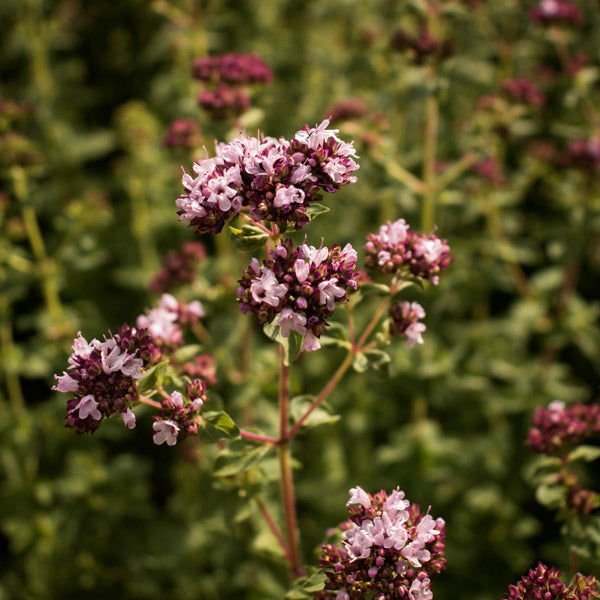
Yes, it still looks like the south! Evocative of Italian gastronomy, it is also essential on a good pizza. It is eaten fresh or dry, but it is acclaimed when it sneaks into quality virgin olive oils. With its slightly velvety leaves, a green tending towards gray, its sunny flavor, it also announces multiple health virtues. It is antibacterial, is cited in the secrets of an anti-cancer diet thanks to its high antioxidant content. Rich in iron, calcium and manganese, it is also anti-stress and analgesic. Treat yourself all summer long and even until the Indian summer in September-October.
9. Parsley, a boost

Curly or smooth, it could serve as a model for a hairdresser. Curly parsley has been the king of garnishes for decades and is tending to lose some of its supremacy in this area to other more "modern" aromatic plants such as basil or coriander. On the other hand, it is enjoyed in vegetable juices and remains very popular in duo with garlic sautéed in a pan with green beans and other small sautéed vegetables. Flat-leaf parsley is both finer and tastier and goes well with all kinds of hot or cold preparations. Both are attractive for their health benefits. "With its vitamin C, B9, K, iron and antioxidant content, it is a real nutritional bomb! Parsley is anti-inflammatory, anti-fatigue, it boosts the body and is excellent for digestion" specifies Aurélie. Bones and eyes also benefit from it, all year round!
10. Rosemary, metabolic stimulant

Good news, it can be found all year round. This Mediterranean aromatic plant is recommended in any type of diet as the list of its benefits is long! In summary, this full, sunny and generous flavor owes its taste amplitude to the presence of phytochemical substances which are a plus for metabolic functions. In addition to being a metabolic booster, it is also a powerful anti-inflammatory (pantothenic acid, thiamine, riboflavin, folate, precursors of coenzymes involved in cellular metabolism).
11. Sage, special for menopause

This slightly bitter plant can be enjoyed in a marinade for game or pork meats or more "veggie", in soups or as a pepper substitute! It is also enjoyed as an infusion to alleviate menopause-related disorders, particularly hot flashes. A true champion of antioxidants, it is also digestive and antispasmodic (ideal for soothing stomach aches related to the menstrual cycle). Although it can be found naturally from April to June, the good idea is to dry it to enjoy herbal teas all year round.
12. Thyme, and we breathe!

Another aromatic plant that smells of sunshine and scrubland! And for good reason, it is everywhere from April to June. Thyme is such a part of the French culinary tradition that it is found in dishes in sauce, including meats and vegetables, pasta, omelettes, but also certain desserts such as honey-roasted figs, crème brûlées or crumbles. Fresh or dried, with its cocktail of iron, manganese and vitamin C, it remains an ally of the respiratory tract, throat, digestive and immune systems. Ideal as an infusion with a teaspoon of honey to stop stubborn coughs.
"And the good idea is to associate these plants with spices like cinnamon, the only one I couldn't do without and that I would take with me if I had to choose only one because it is sublime alone and generous associated with all kinds of aromatic herbs" concludes Aurélie Canzoneri. So, if you were looking for a good reason to grow aromatic plants in the kitchen as well as in the vegetable garden, here you are spoiled for choice!
*The podcast “The power of plants by Arkopharma” by Aurélie Canzoneri is on Chérie FM and on podcast listening platforms.
**Other gourmet nutritional health tips and recipes to discover in the Master classes of Angèle Ferreux Maegth on La Guinguette D'Angèle and on her Instagram @laguinguettedangele

Do you really know about almond milk?
“Almond milk replaces milk”, “it’s better for your health”… Answer our True-False to test your knowledge with Estel Barellon, Doctor of Pharmacy, naturopath and pharmacist.
It's a trendy vegetable milk.
It's true. Among all the plant-based milks available on the shelves of supermarkets or specialist organic stores, almond milk is particularly popular. In fact, according to the Futura website , sales have doubled in just a decade. Why such success? Almond milk is mainly chosen to replace cow's milk, particularly in the context of lactose intolerance. Indeed, this plant-based milk, with a pleasant taste and quite similar to its cousin milk, is also very suitable for making dessert recipes. Another explanation: it is also an alternative of choice for vegans and vegetarians.
It is a nutritionally interesting vegetable milk.
That's wrong. Of all the plant-based milks, it's not the most interesting, even though it has a very good reputation with the public. In France, we buy two almond milks out of three plant-based milks... That's saying something! But despite this great success, almond milk is not perfect from a nutritional point of view. Its main drawback? The addition of sugars which tends to move it from the " health food " box to that of a "classic food". Why do we still like it? A little less caloric than cow's milk (unless it's bathed in sugar!), almond milk, lactose-free and therefore easier to digest, also has another major advantage: its richness in good quality unsaturated fats. Finally, let's not forget that almond milk, rich in proteins, fibers and magnesium, has undoubtedly benefited from the GMO crisis which affected soy plant-based milk, which was very popular a few years ago...
Young children can consume almond milk instead of cow's milk.
This is false. In any case, not before the age of three and always as part of dietary diversification. In no case can almond milk replace breast milk or cow's milk for them before that age. The ideal? Vary the pleasures and introduce them to other plant-based milks alternating with cow's milk (unless medically contraindicated of course). The idea is not to create a dietary "routine" for them ("in the morning it's almond milk and nothing else") that they will have difficulty breaking away from later.
All almond milks are equal.
This is false. Instead, choose organic versions and especially those with the indication "no added sugars". But, to diversify your food intake as much as possible, change brands regularly and, to break your routines, alternate almond milk with other vegetable milks.
Most almonds come from California

It's true. In France, almond production exists, particularly in Provence, but it is insufficient to meet all the demands of producers. The problem is that, unfortunately, the cultivation, which is too often very intensive, of almonds is ecologically criticized. It requires a very high consumption of water, with the consequence of a tendency to dry out Californian soils. There is even talk of a need for four liters of water for a single almond. So imagine when you dig into the bowl without counting at the aperitif. Almond production in California is often accused of being an ecological disaster (use of pesticides, intensive yield, etc.). Not to mention the carbon cost of transporting almonds from one continent to another. In short, in the clean planet, almonds experience the same pitfalls as avocados.
You can make your own homemade almond milk

That's right. Yes! And, good news, it's very simple and more economically advantageous. Remember that almond milk is sold almost three times more expensive than cow's milk. Oops... To make your homemade almond milk, soak 250 grams of almonds in a liter of tap water for 8 hours (or overnight, it's even easier). The next day, mix everything in a food processor. Then, pass this mixture through a cloth. The liquid collected (filtered by the cloth) is your delicious homemade almond milk. Place the drink in a glass bottle and put it in the refrigerator. You can consume it within five days. What to do with the remaining material in the cloth? Above all, don't throw it away! Use this "okara", the name of this oilseed residue, as almond powder. Store it in an airtight container and use it in your sweet culinary preparations! If you're more of a "sweet" person, you'll find other recipes, including a floating island with almond plant milk, in the book by our expert Estel Barellon, Doctor of Pharmacy, naturopath and pharmacist, author of "Cuisiner pour se soigner" (Éditions Kiwi) and on her blog and Instagram account of the same name.

Foods of happiness throughout the seasons
Yes, happiness is also on the plate. If it is not enough to eat well to be happy, a well-chosen diet is the basis of happiness.
The keys to good health and a high morale are found in the sneakers (we no longer praise thebenefits of sport to boost the production of dopamine and serotonin!) as much as in the plate. A clean plate, of course, but a plate that is varied, colorful and vitamin-rich according to the seasons.
Summer is colorful


Holidays are the perfect time to discover or rediscover the joys of the market. For some, it is even the trigger that will mark the first steps towards a clean diet . The greengrocers' stalls are full of multi-coloured vegetables and fruits. The more colourful your basket , the more you vary the vitamins, minerals and nutrients, think about it every time you do your shopping and prepare your daily menu. Except in the case of a detox where green is the order of the day, pick from the reds, purples, yellows, oranges, greens and whites to concoct a balanced plate. Add seafood if you like it, it is a real reserve of minerals and trace elements. Rich in amino acids which contribute to the good assimilation of vitamins and magnesium by the body, they perfectly play their role as a good mood booster. Summer is the key time to stock up on vitamins A, B, C, D, E, K… It’s simple, they’re all there and that’s already happiness!
Autumn is magnesium


The light is fading, temperatures are gently sloping and morale needs a boost. The holidays and long summer evenings are in the rearview mirror and it is common for us to get caught up in the back-to-school blues. On your plate, focus on anti-fatigue and anti-depression foods . Go all out on nuts (cashews, Grenoble nuts, Brazil nuts), they are all full of magnesium, omega 3, methionine (an amino acid that boosts the production of melatonin which regulates sleep and day/night rhythms). If we have said everything and its opposite about chocolate, it is indeed rich in magnesium provided you choose dark, rich in cocoa, quality, organic or even raw. Pair it with bananas, cereals (why not, a homemade granola for a snack, around 5:00 p.m. when the need for serotonin is at its peak, granola made of walnuts, almonds, pumpkin seeds, sunflower seeds, flax, to which you add a pinch of buckwheat, sesame, a few dark chocolate chips, a few banana slices). Magnesium, a great stress regulator, itself at the origin of the increase in the level of cortisol in the blood. An excess of cortisol - leading to a decrease in the synthesis of serotonin - is the promise of seasonal blues, or even depression if the vicious circle continues. Also think about spices, such as cinnamon, cumin, turmeric, pepper, which facilitate digestion, warm the stomach as much as the mind and which are above all energizing.
Winter is all about vitamin D


The days are shorter than the nights, here we are. But far from being a harbinger of depression, this season can also offer its treasures of cocooning, like in the Nordic countries where light, softness and warmth are indoors. And on the plate, it's the same! The sun is hidden, the synthesis of vitamin D is also slowed down. It's time to supplement yourself daily with a quality vitamin D because we know that it is directly linked to seasonal depression, even to depression. To naturally ward off the risk of deficiency, imagine the ideal plate: oily fish (anchovies, salmon, herring, mackerel), calf's liver, cod, fish eggs, egg yolk, mushrooms, oysters, cheese, butter, milk... And vegetarians can rest assured, a plate composed of legumes, vegetables and cereals constitutes a reserve of clean and balanced nutrients. They will just need to supplement with a course of vitamin D throughout the winter period to compensate.
Spring means lightening


We are coming out of a season of quasi-hibernation, during which we have made a place of choice for fatty, rich foods, which warm and compensate for the laziness of the sun. Spring signals the arrival of lighter dishes, even a fast (always accompanied) or more simply a mono-diet, a super anti-gloom tool. Start by choosing mood-regulating foods and always seasonal, like all new vegetables. As their name indicates, they are just coming out of the ground and are full of vitamins and the energy of renewal (artichoke, carrot, cucumber, lamb's lettuce, morels, sorrel, apple, pear, kiwi, fennel, asparagus, radish, etc.). Combine them with sprouted seeds which are real little bombs of nutrients and vitamins. Also rely on B vitamins which act on the nervous system and have an immediate effect on mood (certain spices such as paprika, turmeric and pepper, abas, seafood). Finally, use and abuse aromatic herbs , fresh, they twist dishes, juices and smoothies and bring that little touch of chlorophyll to combat the blues.
Our 10 happy foods

If you had to keep only 10 to fight against gloom, they would be:
- Salmon for its omega 3, which has a proven effect on depression. The good lipids in this fish regulate sleep disorders, just like sardines or herring: we therefore eat it 3 times a week.
- Dark chocolate, a quality antidepressant, should be enjoyed consciously... at a rate of two squares per day maximum.
- Banana , for its magnesium and vitamin B6, super anti-stress.
- Avocado , whose good fat and tyrosine regulate hypertension, diabetes as well as morale. Indeed, rich in tyrosine, a precursor of dopamine, it is surely the food for good mood par excellence. But on condition of not abusing it for ecological reasons, the avocado being a big consumer of water. We choose it in short circuit and in season so as not to explode the carbon footprint.
- Tomatoes and their red promise of lycopene, a super antioxidant that guarantees a good mood! Eating tomatoes between three and six times a week would almost halve the risk of depression.
- Fermented foods (like pickles, sauerkraut, etc.) contain natural probiotics that pamper the gut microbiota and therefore the second brain. Every day if you want, it is the levels of serotonin and dopamine secreted by the digestive tract that will be better.
- Oilseeds (nuts, almonds, etc.) are so rich in omega, selenium, magnesium, and amino acids that a small handful a day is enough to promise serenity.
- Fruits and vegetables of course, but red fruits in particular. So rich in antioxidants, fiber and vitamin C, they help cells stay young and in a good mood!
- Cereals (whole grains), especially buckwheat, are full of vitamin B, which is ideal for nervous balance. We can eat them every day if we want.
- Coffee. It has been much maligned, but as long as you don't exceed 3 small cups per day, it is an energizing drink that does you good. Other feel-good drinks: golden milk (coconut milk and turmeric) and chai latte (spices, tea and vegetable milk), to sip whenever you feel like it!

Golden Milk, a golden milk that has it all
An ultra-trendy drink, Golden Milk is a must for foodies who are fans of Clean Eating. Simple treat or healthy drink? Decryption.
Although it evokes the sweetness of milk and the warmth of the sun due to its orange-yellow color, golden milk (or golden milk, Ayurvedic milk) is a real comforting drink that is excellent for your health. Better still, it is one of the secrets of traditional Ayurvedic medicine.
Made from coconut milk, spices and especially turmeric and pepper (essential for a good release and assimilation of the anti-inflammatory principles of turmeric) its health claims even make it a natural remedy recognized by the WHO (World Health Organization)! If it has been part of the panoply ofhealthy eating fans for a few years, it has been the ally of yogis , meditators , Buddhist monks and Indian doctors for much longer.
The 3 hidden treasures of golden milk

- 1- Coconut milk . It is not just a delicious treat since it is also a concentrate of good fats whose brain-protecting action contributes to the prevention of Alzheimer's and Parkinson's diseases. It also reduces the rate of bad fats, LDL, in favor of good fats, HDL. This thick and creamy milk facilitates digestion while being antifungal. It also contributes to hormonal balance thanks to its beneficial action on the thyroid in particular. And, good surprise, it stabilizes blood sugar. By mixing coconut milk with turmeric and pepper, we potentiate the benefits of this winning trio.
- 2- Turmeric . The curcumin in this golden spice is rich in polyphenols, antioxidants, anti-inflammatories and even healing agents. Combined with turmerone, another active ingredient present in the turmeric rhizome, the latter is said to have effects on the regeneration of brain cells, a valuable avenue in research into degenerative neurological diseases. Turmeric, a super anti-inflammatory , is acclaimed for improving joint mobility, while having an analgesic effect. It is recognized for its power to relieve digestive disorders and support biliary functions and prevent ulcers. If it does not prevent the formation of cholesterol, it allows the bad ones to remain low… And since it is full of vitamins B6, C, iron, potassium and manganese, we would be tempted to abuse it but be careful, if we have a tendency to kidney stones, if we are allergic to spices in general or if we plan a surgery in the next 15 days, we forget it because it can have undesirable drug interactions. Above all, turmeric does not like to be alone and it is never as effective as when accompanied by fat, ginger or pepper… Hey, hey! What a great idea to combine turmeric and pepper in golden milk!
- 3- Pepper . The piperine in its ebony-colored grains allows turmeric to increase its power tenfold. Indeed, this piperine is a real cocktail of virtues that goes much further than the role of flavor enhancer that we attribute to pepper. It promotes the absorption of most nutrients and active ingredients, lowers blood pressure, balances the digestive system by activating the enzymatic process of the pancreas. In addition, by fighting Helicobacter pylori (bacteria that infects the gastric mucosa and causes ulcers), the piperine in pepper prevents the appearance of gallstones and is one of the foods that prevent cancer (piperine would block the development of cancer cells, particularly in breast cancer). Above all, like curcumin, piperine is a powerful analgesic and anti-inflammatory.
In conclusion, golden milk is a global preventive health drink that can be consumed once a day for an optimal role as an anti-inflammatory, cholesterol regulator, antioxidant, antidepressant and more generally as an immune system booster.
The golden recipe!
- 1 glass of coconut milk
- 1 teaspoon of turmeric powder
- 1 turn of the pepper mill
- Optional: 1 teaspoon of honey or a dash of maple syrup and a strip of fresh ginger.
- Pour the coconut milk into a small saucepan and let it heat over low heat without boiling.
- Off the heat, add the turmeric and pepper as well as the rest of your optional ingredients and emulsify with a whisk or fork. Enjoy consciously, you will benefit more from the good nutrients!
Thanks to Marielle Alix , holistic coach and naturopath, for her advice.

Chai Latte, a little pleasure and a big boost
Originating from India, "tea" ("chay" in Persian), is a precious drink full of resources for the body especially when it is combined with spices, sugar and hot milk. Decoding chaî latte, a drink full of energy that is not limited to a fad.
In India, this comforting drink is offered on every street corner. Hotels, small shops, street vendors offer it under the simple name of "chai" and the locals sip it all day long, a bit like Americans with long coffee. In France, the chai latte is at the top of the list ofheathy drinks . If the chai latte owes its first name "chai" to black tea, it is to its mixture of spices (star anise or badiane, cinnamon, cardamom, cloves, ginger, pepper) called "masala", which also gives it its second name "masala chai" more commonly called chai latte in France.
The Hidden Treasures of Chai Latte


Chai latte transports us into the world of Ayurvedic medicine. Like gingerbread or mulled wine, this recipe makes spices its star active ingredients . And for good reason, they all have countless energizing, antiviral and restorative properties. Combined with theine, the "caffeine" in tea, they make it an incredible stimulant.
- Star anise has digestive, analgesic and anti-inflammatory properties. It reduces bloating and all kinds of gastric disorders. A super intestinal antiseptic, it is the SOS remedy in case of indigestion or food poisoning. Antiviral, it alleviates the symptoms of flu and other viruses, seasonal or not... A little cough? Inhale a decoction of star anise (or three drops of anise essential oil added to hot water). Not only will it soothe the cough but also allows you to breathe more easily. Relaxing and anti-stress, star anise is found in "calm night" herbal teas in combination with hawthorn or valerian. Even if... it is diuretic and may wake you up at night! A rich source of antioxidants, invigorating, star anise is an effective remedy during periods of convalescence or great fatigue.
- Cinnamon is known to be an excellent appetite suppressant due to its high amount of fiber, vitamins and minerals (manganese, calcium, iron) which have a beneficial effect on the immune system, the good health of teeth, bones and nails. In the antioxidant department, it is a champion in cell protection and the prevention of the onset of cardiovascular diseases. Super anti-inflammatory and analgesic, it also soothes chronic pain. Luckily, it does not like cholesterol too much, which it eliminates especially when it is bad (from 3 grams of cinnamon per day) and balances blood sugar. And for good reason, it increases the sensitivity of the metabolism to insulin. Would you like another small stick?
- Cardamom is THE all-category champion when it comes to good digestive health. Its best friend? The intestinal flora that it particularly pampers by protecting it against bad bacteria and mycoses. Traditionally used in Ayurvedic medicine for dental ailments, it also gives proud and fresh breath! More seriously, its cocktail of minerals (calcium, magnesium, potassium, calcium) protects the heart. In Ayurveda, it is recommended to treat all respiratory disorders (asthma, bronchitis, pneumopathy, pneumonia, etc.).
- Clove , a favorite of dentists and natural medicine practitioners, is not only rich in vitamins (B9, C, E, A and almost all of group B) and trace elements (calcium, manganese, potassium, iodine, phosphorus, iron, zinc) but it also has anti-pain and anti-nausea properties. You will find it in toothpastes and mouthwashes because it immediately relieves dental and gum pain, even when it is throbbing and throbbing.
- Ginger is also a big name in anti-inflammation (osteoarthritis, rheumatism, joint pain, etc.). It is consumed daily by all those who know its multiple properties (it is digestive, antibacterial and antiviral, anti-cholesterol, pro-health!). Combined with lemon, it is a serious ally for healthy winters. It is rumored to be an aphrodisiac because it stimulates blood circulation.
In India and in Ayurvedic medicine in particular, it is said that the virtuous combination of milk and spices guarantees the balance of our “dosha” (the three energies which animate body and mind).
The spicy recipe!
• 1 large mug of water
• 2 tablespoons of plain black tea
• 1 clove
• 1 cinnamon stick or 1/2 teaspoon ground cinnamon
• 1 star anise
• 5 cardamom pods
• 1 teaspoon of powdered ginger or a slice of fresh ginger
• 175 ml of milk
• 1 dash of maple syrup or more according to your taste
1 – Bring the spices and water to a gentle boil. Keep a pinch of cinnamon.
2 – Stop and cover, let infuse for 5 minutes.
3 – Boil a second time.
4 – Heat the milk sweetened with maple syrup and stop as soon as it boils.
5 – Mix or emulsify with a mixer to create foam.
6 – Pour the frothy milk over the spiced tea, sprinkle with the remaining cinnamon and enjoy!
Thanks to Marielle Alix , holistic coach and naturopath, for her advice.

Vegetable or animal fats, how to choose?
First of all, and especially before demonizing fats in all their forms, it is essential to remember that (good) fat... is life!
Why can't we do without fat? Because it is part of the cell wall, in the process of secreting hormones and it provides energy to the brain (in the same way as the sugar we need and, here again, we prefer "good sugar", from plants such as coconut sugar, maple syrup or honey, except for vegans). Sugar is then metabolized in part into glycogen, large sugar molecules constituting energy reserves, and into fat stored in adipose tissue.
About a third of energy intake should come from fat. The stakes are high, all the more reason to choose the right fats!
As a great defender of clean, joyful and vitamin-rich food, Angèle Ferreux Maeght, creator of the Guinguette d'Angèle, has designed a "Masterclass" in which she devotes an entire episode to seasonings and therefore... fats.
A delicious opportunity for her to remind us of the importance of fat in cooking:
“You have to keep in mind that fat allows for good assimilation of nutrients. For example, beta-carotenes are better assimilated if they are associated with fat. Good fat facilitates the penetration of nutrients into cells (the brain, the nervous system function better!), fat is also involved in the production of hormones, it supports the immune system and it is also an anti-inflammatory. And since good fats contain essential fatty acids that the body does not produce, they must therefore be found outside. Finally, fat brings texture and powerful flavors to all cooking!” says the naturopathic chef.
Fat: vegetable or animal?
An important criterion distinguishes animal fats from vegetable fats. The latter, derived from plants, are to be preferred because they contain more unsaturated essential fatty acids. They contribute to the good health of the cardiovascular system. The others, animal, are to be consumed in more moderation because they are mainly composed of saturated fatty acids. These fats represent a major risk for health because they provide bad cholesterol and therefore promote cardiovascular and circulatory pathologies and excess weight.
Remember that there are three types of fatty acids:
- saturated fatty acids (found mainly in red meat),
- polyunsaturated fatty acids (in oily fish),
- monounsaturated fatty acids (in vegetable oils).
An ideal plate would contain about 70% monounsaturated and polyunsaturated fats and only a small third saturated fatty acids.
Green light for vegetable fats!

Yes, because these monounsaturated fats (mostly from vegetable oils) cause much less cardiovascular disease. Good vegetable oils include: camelina oil, walnut oil, coconut oil, grape seed oil, pumpkin seed oil, avocado oil, olive oil.
" All these oils (except olive oil) are sold in small dark glass bottles, they are kept in the refrigerator so as not to oxidize. Because oxidation, like overheating, modifies the molecules which become toxic. This is why we only heat olive oil, coconut oil and clarified butter" reminds Angèle. "Always prefer virgin and cold-pressed oils. And if your oil has gone rancid, throw it away, but it's a good sign, it was totally natural!"
Because of course, manufacturers heat oils strongly and for a long time so that they can be preserved as long as possible, even in ambient air. They are also often "enriched" with chemicals to prevent them from going rancid. And if they do not go rancid, it is not a good sign. In short, real vigilance is required in the choice of oils: virgin, first cold pressing and organic if possible).
Above all, think about varying the oils, sometimes in ready-made blends but of quality and especially without palm oil. Rapeseed and walnut oils are rich in omega 3 while sunflower oil mainly contains omega 6 which should not be abused, to preserve a balance in the intake of good fatty acids.
Red light for animal fats?

Not completely, the orange light would be more appropriate! We slow down but we do not eliminate it completely, unless we are vegan. Butter offers advantages, provided that you choose organic, or from local and fair trade circuits. If you like butter, so much the better because it provides vitamins A and D. But eat about 30 grams per day (about two portions per day, on toast in the morning for example and a small square to let melt on fish or mash), no more because it mainly provides saturated fatty acids which increase the risk of cardiovascular diseases linked to the inflammatory process, generated by bad cholesterol. In addition, we tend to associate meat and cheese which constitutes too high an intake of saturated fatty acids. By gradually replacing animal fats with vegetable fats on a daily basis (butter, with a dash of olive oil for example) we reduce the risk of coronary diseases.
Good fats from the cupboard!
Concretely, to balance your fat intake without complicating your life, opt for a few base oils and a good butter.
- Oils: olive for cooking and, always olive, hazelnut, walnut, flax, camelina, pumpkin seed or grape seed for cold use.
- Fresh, organic or clarified butter, also called ghee. Obtained from butter that is heated to a very low temperature, filtered, we then keep only the fattiest matter, devoid of its water, lactose and milk proteins. Used in Ayurvedic cooking, it is detoxifying, regenerating and antioxidant. Considered very nourishing, it is also said to strengthen the immune and digestive systems. "It is a very good alternative to butter because it does not oxidize and keeps longer!" specifies Angèle Ferreux Maeght. On the other hand, avoid light butters which are just enriched with water and margarines which, with some exceptions, are richer in salt, flavorings and colorings.
- Ban palm oil, which is too rich in saturated fatty acids.
Any ideas for seasoning?
- For your mozzarella tomatoes, opt for olive oil and a pinch of salt, the vinaigrette will be made on its own with the acidity of the tomato, without needing to add vinegar.
- For your green salads, it's a question of flavor, but rapeseed oil alone or combined with olive or hazelnut oil is a good balance.
- On fish taken out of the oven and still hot, a drizzle of olive oil will bring out all its flavors, without having lost any nutrients during cooking.
- For meat cooked in a very hot pan, the fat of the meat will be enough to allow for tasty cooking because, remember, it is the fat of the meat that gives off its flavor! But letting a knob of fresh butter melt on the meat at the end of cooking further enhances its flavor, without changing when in contact with the pan.
- Dare to add a touch of duck or goose fat from time to time. With its lower content of saturated fatty acids than butter, it brings an unrivaled flavor
- Let's move on to dessert! While butter is a must for pastries, you can replace it with blended cashew nuts, almond puree or even avocado if you like these other flavors, or if you are vegan.
Finally, for starters, main courses or desserts, dare to twist your oils. "Combine them with a touch of maple syrup or honey, a dab of almond or hazelnut puree, a teaspoon of coconut milk to vary the tastes and textures! For savoury dishes, always add a little flavour with garlic, onion, cardamom, peppercorns that you combine with turmeric. Finally, never good oils without good vinegars: a real IGP Modena balsamic vinegar, organic cider vinegar for its alkalising effect, a dash of lemon juice rich in vitamin C. In short, have fun!" concludes Angèle.

The best antioxidant bombs on your plate!
We enjoy it and our cells thank us. They are antioxidants, substances found in certain foods that have the ability to act as bulletproof vests between free radicals and the body.
These substances have the power to prevent - and at least delay - cellular damage caused by free radicals. These radicals are formed upon contact with oxygen via breathing, stress and all sorts of inflammatory phenomena. When they come into contact with free radicals, cells deteriorate prematurely, leading to the appearance of pathologies generated by oxidative stress. To combat this phenomenon, there is nothing better than eating foods rich in antioxidants, and preferably... the richest! To make the most of them, remember to vary your sources and always put as many colors as possible on your plate.
B for Berries.

And in particular, goji berries, a small food with the highest antioxidant rate in the fruit family! And that's thanks to the large amount of vitamin C they contain. Combined with vitamin A, calcium, iron, selenium, zinc, phosphorus, beta-carotene, goji berries fight against cellular aging, particularly skin aging, and help boost the immune system.
Berries, in general, are super interesting because they are rich in nutrients for a tiny caloric intake. Why are they number 1 in anti-radicals? Because they spend their time protecting themselves from the sun (ripening and coloring are in fact, like tanning for humans, a way of shielding themselves from UV radiation). And since their "skin" is very thin, berries produce even more antioxidants to protect their pulp (for example, blueberries produce anthocyanins, an antioxidant pigment as well as an anti-inflammatory).
C for Chocolate (Dark!).

It was known to be rich in magnesium and was often credited with anti-depression properties. But dark chocolate (and even better, raw) is also very rich in antioxidants and its properties go as far as reducing the risks of cardiovascular and inflammatory diseases. It is said to have a beneficial effect on cholesterol and blood pressure.
E for Spinach. Its myth? Being an iron bomb. The reality? Spinach is packed with vitamins, minerals and of course, antioxidants, particularly lutein (ideal for protecting the eyes) and zeaxanthin (another pigment in the carotenoid family), two substances that protect the eyes from the light rays that damage them. Spinach, like green leafy vegetables, is even recommended for preventing macular degeneration.
E for Spinach.

Its myth? Being an iron bomb. The reality? Spinach is packed with vitamins, minerals and of course, antioxidants, especially lutein (ideal for protecting the eyes) and zeaxanthin (another pigment in the carotenoid family), two substances that protect the eyes from the light rays that damage them. Spinach, like green leafy vegetables, is even recommended for preventing macular degeneration.
F for Raspberry.

They are praised for their nice content of vitamin C, manganese, and antioxidants supposed to be positively responsible for a beneficial action in the prevention and cure of certain cancers (particularly breast cancer). A recent study conducted by the Laboratory of the Agricultural and Fisheries Research and Training Institute (Alameda del Obispo de Cordoba) highlighted the action of raspberry compounds (in particular their polyphenols) on the colon. Bacteria present in the colon would transform certain molecules of raspberries into phenolic acid, highly beneficial for health (Bachberry study-project).
H for Bean.


Beans, and more specifically pinto beans, contain proteins, fibers and… kaempferol, an anti-inflammatory flavonoid that slows the growth of malignant cells on cancer cells in certain breast, lung, kidney and bladder cancers. Like all legumes, this bean is rich in iron, magnesium, zinc, calcium, potassium, vitamin B6… And, while red meat is rich in saturated fats, legumes do not contain any. Be careful not to eat them with every meal, because certain tannins can reduce the absorption of nutrients (zinc, calcium, magnesium) provided by other foods. A study conducted in 2020 by an Iranian researcher highlighted the benefits of consuming legumes and nuts on the prevention of breast cancer (study, Yaser Sharif), another American study made the same observation (Meera Sangaramoorthy et al, Cancer Med., 2018).
L for Orange Vegetable.


The orange pigment, beta-carotene, is an essential antioxidant! It has the particularity of being metabolized into vitamin A by the body. A champion for boosting immune defenses, it also prevents the onset of many diseases, particularly cardiovascular diseases. Beta-carotene is found in sweet potatoes, carrots, pumpkins, apricots, oranges, mangoes, and melons.
O for Trace Elements.

You will find (in addition to vitamin E) the main trace elements - such as zinc, selenium and copper - in poultry, egg yolk, wholemeal flours, shellfish, fish, seafood, offal and nuts.
S for Spirulina.

If producers of spirulina, a small algae, have been flourishing all over the planet for a few years, it is because it is the most complete food that can be found. It contains a super antioxidant, phycocyanin. This pigment gives its blue color to the beneficial algae. Phycocyanin (called phyco by experts) effectively fights against free radicals and more than any other nutrient, it is a super anti-inflammatory. Opt for spirulina in powder or tablet form (test once a week before increasing the number of doses) or better still, because it is highly concentrated, consume phycocyanin directly.
T like… Tea!

Green tea (like good wine, grape juice, olive oil) contains catechins (about 70 mg per 100 ml of green tea). These flavonoids, powerful antioxidants, are also present in black tea but in smaller quantities (four times less!). Indeed, the fermentation of the leaves transforms the catechins into other components. Be careful, the ideal is to drink three cups of green tea per day, spread out over the day and outside of meals to limit its interaction with iron. It reduces its absorption by the body. Favor Japanese green teas, the richest in catechins and, even better, Matcha tea.
Grab your shopping carts and head to natural health food stores and market gardeners' stalls (preferably organic or those whose supply chains you know) to stock up on antioxidants... while enjoying yourself.