


Vegan Fast Food: Eat Fast, Healthy and Ethical
Fast food is evolving to meet the needs of modern consumers! With the rise of vegan eating, it's now possible to enjoy fast, delicious, and environmentally friendly meals. Explore the world of healthy fast food: balanced, delicious alternatives that fit perfectly with your lifestyle.

Why choose vegan fast food?
Adopting a vegan diet, even partially, is attracting more and more people. The motivations are multiple: environmental, ethical, and health-related. But between a busy schedule and frequent travel, it can be difficult to reconcile this approach with your lifestyle.
The positives of vegan fast food
- Respect for the environment: Intensive livestock farming is responsible for a significant portion of greenhouse gas emissions. Opting for plant-based alternatives helps reduce your carbon footprint, your environmental impact, and preserve natural resources such as water and energy.
- A healthier option: Vegan fast food relies on natural ingredients rich in nutritional properties. Plant-based proteins, fresh vegetables, and whole grains are the main ingredients, ensuring a balanced diet.
The essentials of vegan fast food
Vegan fast food doesn't mean "tasteless," "flavorless," or "fun-free"! You can try a wide range of savory and sweet vegan dishes:
1. Vegan burgers
Vegan burgers are one of the most popular gourmet dishes! Featuring plant-based burgers made with chickpeas, lentils, or mushrooms, they're delicious and satisfying. Pair your burger with homemade sauce or sweet potato fries and a whole-wheat bun for a delicious and healthy meal.
2. Tacos and Wraps
The vegan wraps and tacos are delicious: filled with black beans, marinated jackfruit (mimicking shredded meat), homemade guacamole, and sautéed vegetables. A guaranteed explosion of flavors.
3. Vegan pizzas
Vegan pizzas are just as irresistible! With crispy crust, plant-based cheeses, and a topping rich in sustainably sourced vegetables, they're just as good as the classic versions.
to the classic versions.
4. Cruelty-free desserts
Vegan fast food also includes delicious desserts:
- Cashew Cheesecake
- Brownies without eggs or milk
- Creamy plant-based ice creams
How to find the best vegan fast food?
With the rise of veganism, it's easier than ever to find good vegan fast food:
- 100% vegan chains
- Classic fast food with vegan options
- Mobile applications: allowing you to identify vegan restaurants and options near you.
Homemade vegan fast food recipes
Prepare homemade, healthy, and easy fast food! Here are some quick and delicious ideas:
- Plant-based burgers: Chickpea, beetroot or lentil steaks, with a homemade sauce.
- Oven-baked fries: Less greasy than classic fries, with olive oil and smoked paprika.
- Express Tacos: Tortillas filled with grilled vegetables, black beans, guacamole.
- Vegan sauces: A cashew cream to accompany your dishes.

Vegan fast food: a lasting trend
The rise of vegan fast food shows that fast food doesn't mean eating poorly. Whether in a vegan restaurant or preparing homemade recipes, it's possible to combine speed, pleasure, and ethics. In fact, vegan fast food isn't just a delicious alternative; it also embodies a movement toward sustainability. At a time when environmental and social concerns are at the heart of debate, more and more consumers are looking to adopt a lifestyle that respects both their consumption habits and that of the planet. Vegan fast food is thus becoming a key player in this food revolution.
Sustainability at the heart of vegan fast food
Changing our eating habits is essential to reduce our environmental impact, promote responsible consumption, limit carbon emissions, minimize food waste, reduce water and energy consumption, and optimize the use of natural resources., promote more responsible consumption, reduce our ecological impact, limit waste, and optimize the use of natural resources such as water and energy, while supporting an eco-responsible approach. The environmental impact of food choices is undeniable, and vegan fast food plays an important role in mitigating this impact. Vegetables, legumes, grains, and other plant-based ingredients require less water, energy, and land than animal production, making them a more eco-conscious and environmentally friendly choice.
Using plant-based ingredients in fast food also helps promote local and sustainable crops. For example, organically grown seasonal vegetables don't require long transportation routes or chemical fertilizers, thus reducing pollution, waste, and the carbon footprint associated with transportation. Additionally, many vegan fast food companies are committed to offering locally sourced products, which helps promote local agriculture, reduce their overall environmental footprint, and support eco-friendly practices.
The Health Benefits of Plant-Based Alternatives
It's widely known that a well-balanced vegan diet can have positive health benefits. Replacing animal products with plant-based alternatives can improve digestion, strengthen the immune system, and reduce the risk of disease. Plant-based proteins, found in ingredients like legumes, nuts, and seeds, are easier to digest than animal proteins and don't cause the inflammatory effects associated with a diet high in red meat.
Vegan fast food often offers lighter meals, avoiding the heaviness and fatigue associated with meals high in animal fats.
Companies and chains that are driving the vegan movement forward
One of the most fascinating aspects of the rise of vegan fast food is the number of companies that have jumped on the bandwagon. It's no longer just restaurants specializing in veganism, but also traditional chains that have incorporated vegan options into their menus. This makes this food accessible to a wider audience, even those who aren't vegetarian or vegan.
For example, major fast food chains now offer vegan burgers, vegetarian wraps, and even meatless nuggets. This development is a response
directly to the growing demand from consumers for more responsible food options. Consumers, whether vegan or not, are increasingly looking for choices that respect their ethics, environmental responsibility, and sustainable consumption values, while reducing their carbon footprint and supporting greener production.
Companies that adopt an ethical and eco-responsible approach throughout their entire production chain—from organic ingredients to recycled packaging—attract an audience aware of the environmental impact and waste reduction associated with their purchases. These companies prioritize short supply chains, organic products, eco-friendly packaging, and waste reduction for a more eco-responsible and sustainable approach.

The Future of the Vegan Fast Food Trend
The future of vegan fast food looks promising. With the shift in consumer habits toward more sustainable, healthier, and ethical options, incorporating eco-friendly practices and labels guaranteeing more environmentally friendly production, this trend is likely to continue to evolve positively. More and more young chefs and entrepreneurs are entering the vegan fast food industry, bringing fresh ideas with innovative products and gourmet concepts.
Technological innovations, such as the use of laboratory-grown plant proteins and the implementation of eco-responsible practices supported by European labels, the reduction of food waste, the optimization of the use of natural resources, the implementation of eco-responsible practices, and the rise of organic and sustainable agriculture, could radically transform the food industry in the coming years. This could make meat alternatives even more accessible and attractive to consumers worldwide, while reducing their carbon footprint, their environmental impact, and supporting a sustainable approach, while promoting more sustainable and eco-responsible consumption.
Finally, vegan fast food isn't just a passing fad, but a lasting trend that meets a growing demand for more ethical, environmentally friendly, and healthier food choices. So, the next time you're craving a burger or taco, think vegan! It's good for the planet, great for your health, and a treat for your taste buds.
Fans of healthy food, clean alternatives and more ecological consumption, don't hesitate to browse our We Are Clean articles. 🍃

Clean Eating Before the Holidays: Treat Yourself While Eating Healthily
The holiday season is just around the corner, and who can resist the festive delights that abound at this time of year? Hearty meals, sweet treats, and festive drinks are a must. However, it is entirely possible to indulge yourself while maintaining a healthy lifestyle through an approach called “ clean eating .” Before you dive into the festivities, find out how you can adopt clean eating to maintain your well-being while fully enjoying the season. parties.
What is Clean Eating?
Clean eating is an approach to eating that focuses on eating whole, natural foods while limiting processed foods, refined sugars, and saturated fats. The goal is to fuel your body with nutrient-dense foods like vegetables, fruits, whole grains, lean proteins, and healthy fats, while avoiding chemicals and artificial additives.
Tips for healthy eating before the holidays:
- Choose fresh, unprocessed foods: Opt for unprocessed foods and avoid processed foods that are high in sugars, salt, and saturated fats. Fresh vegetables, fruits, legumes, nuts, and seeds are all great choices.
- Balance your plate: Try to build your meals with a variety of foods to achieve an optimal balance of nutrients. Think colorful vegetables, lean proteins like fish or chicken, and complex carbohydrates like whole grains.
- Limit refined sugars: Reduce your intake of refined sugar by favoring healthier alternatives such as honey, maple syrup or natural sweeteners.
- Hydrate yourself adequately: Drink enough water throughout the day to stay hydrated. Often, we confuse thirst with hunger.
- Keep a reasonable portion size: Eating healthy doesn't necessarily mean eating large quantities. Pay attention to your body's hunger and satiety signals.
Treat yourself during the holidays:
It’s important to remember that Christmas is all about fun and sharing. Here are some tips for enjoying the festivities while staying true to your clean eating goals:
- Be selective: Choose carefully which foods you want to enjoy during the holidays. Opt for your favorites and savor them to the fullest.
- Balance with healthy options: Complete your party plate with vegetables, salads and fresh fruits to balance your meal.
- Moderation: The key is moderation. Avoid excess by enjoying treats sparingly.
- Stay active: Continue to be active during the holidays by doing physical activities that you enjoy.
Ultimately, clean eating before the holidays allows you to take care of your health while celebrating this special time of year. By taking a balanced approach, you can enjoy festive treats without sacrificing your well-being. Enjoy Christmas to the fullest by savoring every bite, while keeping in mind the importance of moderation and a balanced diet.
Happy Holidays!

Gwyneth Paltrow's Clean Eating Method
What is the ultimate clean plate according to Gwyneth Paltrow? Zoom in on the Clean Eating method, the Goop version of the queen of healthy.
Revealed in Seven, Oscar-winning for Shakespeare in Love, actress Gwyneth Paltrow, Brad Pitt's ex (we almost forgot), is also the new wellness guru. With the arrival of her children, she abandoned the film sets and launched her blog Goop in 2008, which has since become a successful e-commerce site. The idea? To share with her fans, her life, her travels, her sources of inspiration and... especially her recipes. Except that Gwyneth is THE green it-girl before her time. As a result, some people consider her a visionary. Her feats of arms? Talking about healthy smoothies, detox cures, macrobiotic health food and kale before anyone else... Since then, a documentary series on Netflix has been dedicated to her, she has published numerous books, launched podcasts and given conferences on living well in green mode. So what does Gwyneth Paltrow's clean eating method reveal to us foreating healthy ?
Gwyneth's Clean Eating is a vegetarian diet
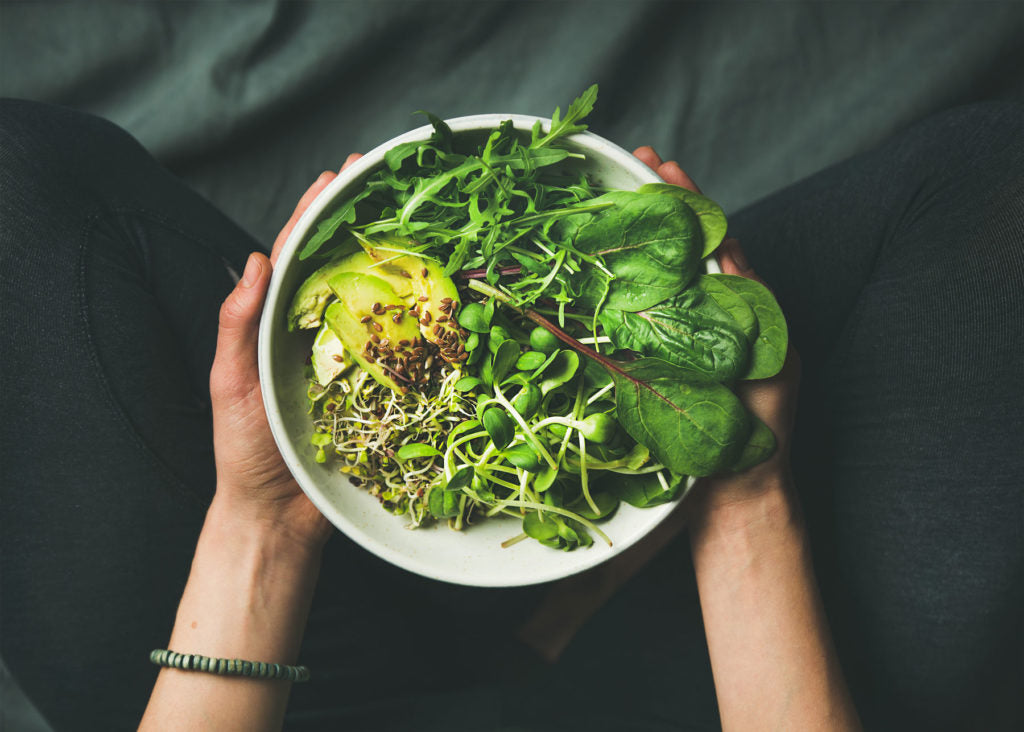
Meat is a no-no ... ever since her friend Leonardo di Caprio described to her in great detail the suffering of animals and the excesses of industrial farming, Gwyneth Paltrow became a vegetarian 20 years ago. In this area, her plate is clean.
Gluten free
His father's cancer, around the same time, made him question the link between diet and illness. His healthy diet has therefore excluded, in addition to meat, gluten . No more pasta, rice, bread and industrial cakes.
A detox, juice and smoothie cure

This is THE thing to remember from Gwyneth. The queen of healthy is crazy about juices and other smoothies with more or less rare ingredients. But the idea is to load your body with vitamins and minerals from plants and seeds. She is also the one who made kale fashionable, before anyone else. More classically, Gwyneth advises drinking a glass of water with lemon every morning. After rinsing your mouth with coconut oil (to remove all the nasty bacteria from the night).
A new detox every year
As a resolution, every beginning of January, Gwyneth offers a cure to follow the " New Year Detox ". It is a "little challenge" offered to her followers on her site. It is her healthy diet with the list of foods to ban and many recipe suggestions. In 2021, it is a 5-day detox cure to cleanse your body. Exit coffee, alcohol, dairy products, gluten, corn, nightshades, soy (but not tofu), refined sugar , shellfish, white rice and eggs. And make way for a clean plate with all the other vegetarian and healthy foods.
We like: stealing recipe ideas (to be adapted according to the foods available). The shopping list to download directly and the smart advice distributed throughout the site.
Eating with Joy
Much like Marie Kondo and tidying up, Gwyneth suggests choosing foods that bring us joy (even if it means deviating a little from the official list) and eating mindfully. Similarly, you can eat more if you're hungry and less if your body doesn't ask for anything. The idea is to listen to yourself.
Prepare a healthy diet in advance
Not stupid when you know how complicated it is to eat healthily. Gwyneth suggests preparing a large part of her menus (or at least the ingredients) on Sunday. That way, you'll be relaxed during the week. Especially if you eat lunch at the office.
Plan snacks for a clean plate
Rather salty and very Instagrammable, Gwyneth's snacks are more like Top Chef Healthy than like the wonder woman in a hurry. Examples: apple rings or French Fries (Gwyneth looooves them) with avocado oil, which take quite a long time to prepare. Otherwise, there is always the vegetable dip option with special sauce.
Still in his healthy eating program, the idea is to eat something salty to last until dinner, which you will preferably eat early (it's good with the curfew), it's easier for digestion.
Take food supplements
Gwyneth, the entrepreneurial type, touts her own supplements and can't start her day without Good's Morning Skin Superpowder ($60), which doubles as orange juice and provides a good dose (thankfully) of vitamins and antioxidants.
Taking care of your intestinal microbiota
The stomach being our second brain , if the stomach is healthy, everything is fine. Hence the idea of detoxifying the body and preferably eating unprocessed foods afterwards so as not to attack the walls of our intestine, fight against bloating and regain a fresh complexion.
Overuse aromatic herbs and chia
Sprinkle your salads with parsley, coriander, chives and other chia seeds. It's fresh, it's pretty and it's full of benefits for healthy eating.
Gwyneth Paltrow is less criticized in the clean eating sector (except for the choice of rare and therefore expensive foods) than for her miracle health recipes. We remember in particular the many controversies (with lawsuits to follow) concerning the alleged benefits of jade eggs in the vagina, colon detox with coffee and other intimate washing with steam…). All the said accessories are of course sold on her platform. In short, as with all methods, not everything is good to take… choose only what suits you best and throw the rest in the trash… to recycle!

What is the Clean Eating trend?
Neither brand new nor totally revolutionary, the Clean Eating trend, which simply translates to "eating clean", resonates as a positive and beneficial evidence. Eating "healthy" and balanced by following a few principles? It's a yes with appetite!
What is the definition of Clean Eating? Literally, the expression is not right, right… but ideal to challenge and lead in a virtuous movement that gives the rules of a healthy diet. In summary, eating clean is above all banning processed foods, preferring raw foods , without additives and as fresh as possible. A sort of return to the sources, to common sense, in the light of our current knowledge in health and nutrition.
The Origin of Clean Eating
It is impossible to understand this trend without mentioning a woman, Tosca Reno. If she is not the inventor of the fundamentals of this diet (healthy eating was already clearly advocated in the United States in the 60s to stay healthy), she claimed its name and principles.
At the beginning, a story of kilos
Tosca, born in 1959, had a chaotic and inspiring journey that she calls "a counter-fairy tale". Born into a Dutch family who immigrated to Canada, in a family of four girls, Tosca had weight problems. A few years later, married and mother of three daughters, she decided at almost 40 years old to divorce and take her life (and her body) in hand. She could no longer stand either one. She then began her studies, became a teacher and met her mentor, Robert Kennedy, as if by "chance" the editor of many magazines specializing in fitness. Accompanied by Robert's precepts, Tosca began a long journey combining weight loss, bodybuilding and... healthy eating. More than a diet , this completely revisited diet has become the symbol of her resilience and her metamorphosis.
Then, a real movement

A few years later, faced with new personal dramas, Tosca went further, expanding her lifestyle, based on sport and diet, with a spiritual dimension. She then officially launched her Clean Eating movement , imbued with all the teachings she had received, experienced and integrated. In 2010, she decided to pass them on and began publishing around ten books, including the famous Clean Eating bible, "Eat-Clean Diet" in 2007. The fundamentals were laid down... Today, Clean Eating is represented by other leading figures such as Gwyneth Paltrow , author of the best-selling book The Clean Plate : eat, reset, heal. In addition to her advice based on Clean Eating, she brings together eating plans around key themes such as heart health, candida, Ayurveda, etc. To take action, she offers "clean" recipes for soups, smoothies, main dishes, snacks and desserts.
The 14 Principles of Clean Eating
As with any diet, even if it is more of an approach in the case of Clean Eating, there are basics to respect.


- Fatty acids. Choose your added fats carefully to hunt down saturated fatty acids found in fried foods, margarine and even butter. Vegetable oils from nuts, coconut, camelina and flax, added in a drizzle on vegetables and fish, provide all their capital of good lipids. Be careful when choosing olive or rapeseed oils, which can be transformed and fall into the camp of non-clean foods.
- Organic . Choose organic foods whenever possible. Complying with a specific charter, organic guarantees to be free of chemical fertilizers, GMOs and pesticides. Since organic rhymes with eco-friendly, it is logical that clean eaters demand foods produced locally, in an eco-responsible, ethical, fair way with packaging that has the least negative impact on the environment. Applicable to fruits and vegetables as well as animal proteins (by favoring fish and white meats, less acidifying for the body).
- Breakfast. Breakfast is a pillar of Clean Eating. It is even considered the basic meal, a sort of cornerstone of the entire healthy food pyramid. It is what provides fuel to the engine for the whole day and allows the metabolism to launch and maintain action and reflection.
- Cereals . They must be whole to be included in the Clean Eating list! To do this, look at the number that classifies the flour: between 45 and 150, it measures the rate of debris, called ash, in the flour. The lower it is, the whiter and more refined the flour. The bran and germ, rich in nutrients, have been removed, unlike wholemeal flour where everything is preserved (bran, endosperm, germ, fiber, B vitamins, proteins and minerals beneficial in preventing colon cancer in particular). Clean Eating recommends making your own bread in order to choose your flour, the amount of salt added and especially without adding additives. Whole grains promote healthy intestinal flora and reduce excess abdominal fat.
- Colors. If they bring joy to the plate made in Clean Eating, they above all guarantee variety in the menu and therefore, a wider supply of vitamins and nutrients. By adding for example fresh herbs like chives (green), a spice like turmeric (yellow) on a cauliflower (white) you already bring three colors and three different nutrients.
- Cooking . It determines the preservation of the nutritional qualities of food. Cooking at too high a temperature, for too long or in too much water and the nutrients are altered. Tip: when you cook vegetables in water, use it as a sauce base or add it to a soup or broth to recover the lost nutrients.
- Water. Essential, fundamental, it guarantees the functioning of all organs, good transit, cellular communication and above all without additives that would disturb the messages. Tea, herbal teas and a little unsweetened coffee complete the right amount of water but do not replace it in any case. The apostles of clean Food advise drinking plenty of water, even advocating drinking up to two to three liters per day... We of course avoid alcohol, rich in sugars and empty calories, inflammatory, causing liver and cardiovascular problems.
- Labels. Get into the habit of reading them and, above all, decoding them . Track down colorants, additives, sugar even in salty foods, salt even in sweet foods!
- Fractionation. Go beyond the three basic meals and add snacks (one in the morning and one in the afternoon) to limit the energy slump that makes you want to grab whatever is in the cupboards. Clean Eating followers eat up to 6 meals a day.
- Homemade. Cook yourself and adopt the lunch box if you work outside. Take inspiration from batch cooking, this method which consists of preparing the meals of an entire week in one day. If the idea of spending an entire day cooking 6 or 7 dishes displeases you, at a minimum, cook basics which will save you time in preparing your menus: rice, quinoa, lentils (but without exceeding 3 days in the refrigerator), prepare vegetables and fresh herbs so that they are ready to eat (peeled, washed, drained salad stored in a box in the refrigerator, with a sheet of absorbent paper to remove excess moisture), cook a few hard-boiled eggs, get ahead with a chicken which, once cooked, will serve as a base for several meals and even a delicious broth with the carcass. In short, have the reflexes of the ancients who mastered the art of using leftovers.
- Pleasure . Tosca Reno, who has undergone many holistic approaches and therapies, insists on the non-negotiable nature of any food “diet”: pleasure. It awakens the senses and promotes excellent assimilation of nutrients.
- Satiety. Rediscover the notion of satiety and hunger, you listen to your body, its feelings, its desires and the pleasure of eating this or that food. Linked to this notion of pleasure, the fact of eating mindfully, chewing carefully and taking your time to enjoy each meal or snack.
- Salt. As little salt as possible added, raw foods already contain it naturally. To spice up your dishes, prefer fresh herbs and spices.
- Sugar . Without obviously! Or as little as possible. Better, choose a substitute sugar: honey, agave syrup, coconut sugar, ground dehydrated apple. No question of using a sweetener, a real decoy for the brain which feels the sweet taste without registering the calories and which then always asks for more.
Clean Eating Health Foods

The list of healthy eating food categories is long:
- Whole grains: brown rice, oats, and pseudo grains like quinoa
- Water or lemon water
- Fresh fruits and vegetables
- Quality vegetable oils: first-pressed olive oil, coconut oil, rapeseed oil, hemp oil, camelina oil
- Legumes: dried beans, lentils
- Oilseeds: flax seeds, pumpkin seeds, walnuts, almonds, hazelnuts, Brazil nuts
- Fish and meat from organic farming
- Dairy products
- Superfoods: matcha, maca, goji… contested by other fooding movements because of the distant origin of some
- Unsweetened tea and coffee
- Alternatives to sugar: honey, coconut blossom
Clean Eating Forbidden Foods
These are all foods that are processed and full of additives (such as colorings, artificial flavors, sweeteners). At a minimum, foods must be very little processed, therefore as close as possible to the producer and their terroir in order to avoid the many stages of processing.
To avoid:
- Alcohol
- Sugary drinks: sodas, industrially sweetened fruit juices, even those called “natural”
- White cereals made with highly refined white flour
- Fast and Junk Food
- Hydrogenated fats: frying oil, margarine
- Prepared meals
- Sugar
The Benefits of Clean Eating

Eating clean is pretty easy, first of all. It's eating healthy (good fats, fruits and vegetables) and preventing the majority of metabolic diseases (such as diabetes), autoimmune (cancers) and cardiovascular diseases. It's also less fatigue and, as a bonus, the excretory organs (which allow the elimination of toxins) functioning optimally, the skin is healthier, more beautiful ! Not rejecting animal proteins, Clean Eating helps to provide and maintain quality muscles (essential for the exercise advocated by Tosca Reno, the inventor of this method). Collateral benefit, we more easily approach our ideal weight, the one that is in perfect harmony with our metabolism. Remember, we don't eat healthy, clean, to lose weight... but to be in tune with our body and our right weight. Finally, sugar (or more precisely its avoidance) being at the center of this method, the risk of being overweight moves away at the same time as many pathologies "fed" by sugar such as premature aging. Flexible, Clean Eating invites you to 80/20, that is to say, total respect for the rules for 80% of the time, with a few deviations for the remaining 20%, quickly compensated by the structure of the healthy and balanced diet of this method.
The Disadvantages of Clean Eating
There are, of course. Even if eating healthy is confusingly logical, adopting Clean Eating can require effort, even inconvenience. But in the balance of benefits / risks, the choice is quickly made! Of course, home-made takes more time than opening your fridge, freezer or cupboard and taking out a ready-made meal. Critics put forward the economic argument that eating organic, local, healthy, raw is expensive. But… think about it because a prepared meal, full of salt (which weighs everything down by gorging itself with water), rich in empty calories and sugar, encourages cravings and snacking… which is expensive in the end. The 5 to 6 meals a day can become a constraint if they do not correspond to your lifestyle or your metabolism. Finally, like any “principle” or model, if you want to respect it drastically, a binary and Manichean approach can set in. And if it activates or reactivates fears, it can lead to eating disorders, which is exactly what we should avoid.
Clean Eating, more than a trend that risks going out of fashion, is a respectful way of treating your body by providing it with all the healthy nutrients it needs to function, with a view to preventing diseases linked to junk food.
But eating healthy and balanced is also one of the pillars of self-care, as Tosca Reno advocates, alongsidephysical exercise and various well-being practices. A virtuous circle to achieve harmony.

Clean Eating Reference Books
Want to "clean up" your way of eating. To eat healthier, greener, cleaner. Here is a selection of books with lots of advice, recipes and photos, to switch to another way of eating, Clean Eating.
You want to eat healthy and balanced , avoid processed foods, full of preservatives and additives, favor natural, fresh, seasonal foods . And of course "cook at home". But it's not easy to get started alone. Some specialized books are good springboards. The priestesses of "Clean Eating" are of course Anglo-Saxon: Terry Walters and her books "Clean Food", "Eat clean, live well", or Tosca Reno and her series "Eat Clean Diet". But these publications have not been translated into French. Here are 10 reference books to devour to adopt Clean Eating.
The “intellectual” Clean Eating book

This is not a recipe book but an essay on the evolution of our eating habits.
- The new food revolution, Dr Cyril Laporte and Pierre Joyeau, Ed. Mango, €17.50.
It is almost a quasi-anthropological investigation that the two authors have undertaken, to explain how over time and changes in civilization (sedentarization, industrialization) our diet has drifted from our basic needs. And how to escape it with lots of practical advice.
Clean Eating Books for Beginners
Before being recipe books, they are guides that lay the foundations of nutrition, relearning how to eat healthily and seasonally.

- The healthy eating guide, Yuka, Ed. Marabout, €22.90
We no longer present the famous application that has raised awareness about what supermarket products contain. This hyper-educational guide is almost a "diet for dummies" guide. The first half sets out the principles of nutrition, how to decipher labels and what different meals should consist of. The second offers recipes by season.

- The Clean Eating Revolution for a Simple and Healthy Diet, Hannah Frey, Ed. Ullman Publishing, €14.95
The author, a nutritionist from Hamburg, is known for her publications, articles, blog and lifestyle. Here she gives the basic principles of Clean Eating, recipes of course but also tips for cooking in a way that preserves all the nutritional richness of food.
Practical Clean Eating Books
Recipes explained step by step, or for each day of the year. Practical and basic advice for those less gifted in the kitchen.


- Clean – Natural cooking without processed foods, Frances Boswell, Ed. Marabout, €19.90
A guide laying out the principles of clean eating, the ingredients to favor, with 120 simple recipes explained step by step in photos.
- Eat better all year round 2021 , Laurent Mariotte, Ed. Sollar, €19.90
The columnist and famous presenter of the daily TF1 show "Petits plats en équilibre", who campaigns for better eating and for the French to relearn how to cook, has been releasing a sort of almanac for several years, with 365 easy and healthy recipes, with educational support at the market and in the kitchen.
The bonus: every month a recipe with a great chef.
- Cook Eco-responsibly , Emilie Hebert and Amélie Roman, ed Mango Green, €22.50
Two bloggers who are fans of homemade food offer their simple, tasty and healthy recipes, as well as tons of advice on how to adopt more ecological actions in the kitchen, make better choices when shopping, cook in an anti-waste way and optimize food preservation.
Clean Eating “people” books
When the priestesses of Clean Eating launch into publishing…

- My Clean Plate, Gwyneth Paltrow , Ed. Marabout, €24.90
We couldn't not mention the actress who has become a virtual "guru" of clean eating. Here she presents simple and tasty recipes while giving lots of advice for discovering "Clean-Eating".

- My natural cooking for baby, Angèle Ferreux Maeght, Ed. Marabout, €19.90
Already the third book from the creator of La Guinguette d'Angèle , the favorite canteen of healthy Parisians. This time, she explains, by age, how to healthily diversify the diet of little ones.
Clean Eating books from top chefs
Great chefs also like to eat clean. And they invite us to do so:

- Nature, Simple Healthy and good, Volume 2, Alain Ducasse, Christophe Saintagne, Paule Neyrat, Ed. Alain Ducasse, €19.90
When a great chef and a dietician share their taste for healthy and seasonal cooking. Recipes from the “vegetable garden” explained simply, giving pride of place to vegetables and cereals, while limiting salt, sugar and animal proteins.

- Flavor , Ottolenghi, Hachette Cuisine, €35
To have a very beautiful healthy cookbook, which makes you travel and dream as much as you eat well. Yotam Ottolenghi, Anglo-Israeli chef who owns several restaurants and delicatessens in London, revisits the culinary traditions of the Middle East. After his best-selling books Ottolenghi and Jerusalem, he focuses on vegetarian cuisine, mixing vegetables and spices with delight.

Who are the Clean Eating Gurus?
They are called the “gurus” of French Clean Eating… who are these KOLs?
In the United States, Clean Eating is supported by many personalities such as Tosca Reno, Gwyneth Paltrow , Angelina Jolie, Ariana Grande, the Hemsley sisters, Ella Woodward, Amelia Freer, Sara Forteil. And the list is not exhaustive!
If these American stars who are part of the history of Clean Eating spread the good word all over the planet, France has its own team of Clean Eating gurus. Women and men who embody the values of healthy and balanced eating, French style.
Creative gurus from all walks of life

Naturopaths , doctors, cooks and even psychiatrists, they each embody in their own way the values of healthy and balanced eating. Beyond the great fundamentals of Clean Eating, each offers a personal interpretation that is a source of creativity. A creativity that is essential to avoid monotony, habit and weariness. Because without fantasy, without desire, there is no desire to invest in a healthy plate. They all have one thing in common: this desire to transmit the lifestyle of healthy eating... in pleasure.
Clean Eating Naturopaths
These naturopathic health practitioners have put healthy eating at the heart of their lives, their support and our plates!
Angela Ferreux-Maeght

She is a chef, naturopath and author*. Her stronghold? Rue Daguerre in Paris, where her studio is located. This is where (among other places) she draws her inspiration, picking fresh herbs, fruits, vegetables and flowers, which she combines with a delicacy close to pictorial art. But before returning to settle in Paris, it was in San Francisco, discovering an organic market, then in Australia where she learned about green juices, that she became familiar with Clean Eating. Having become a fervent defender of healthy food, the now influencer decided to train in naturopathy. Her principles: eating local, fresh, seasonal , reconnecting with common sense and the little treasures of past generations, but all informed by today's nutritional knowledge. Her little dishes combine indulgence and the fundamentals of naturopathy. Joyful and sparkling Clean Eating plates to be found in his Parisian restaurants and in his books !
*La Guinguette d'Angèle, Deliciously Green and My Natural Cooking for Baby, all published by Marabout.
Odile Chabrillac

Journalist for more than twenty years in the field of well-being and health, author*, psychotherapist, Kundalini yoga teacher, her need to eat healthy, and to transmit its principles, led her first to study naturopathy and then, a few years later, to create her own school. Within her Institute of Humanist Naturopathy , she trains future professionals, also fans of healthy food. To transmit beyond her school, she leads online family naturopathy workshops, shares recipes on her Instagram page and regularly launches challenges that her community follows with enthusiasm. Recently, her green challenge (whose virtues she detailed) inspired many Instagrammers. Then appeared recipes for smoothies, salads, soups and other vegetable and legume gardens… in a pretty shade of green. Her signature? A healthy mind in a healthy body. Bon appétit!
*My detox notebook, new edition, published by Solar.
Photo: © Odille Chabrillac | @odilechabrillac
Lisa Salis


Eating healthy and balanced is the motto of Lisa, a therapist and consultant in nutrition and naturopathy. For her, junk food is the scourge of the times and transmitting the principles of Clean Eating to as many people as possible has become her priority. And bingo, whether on Instagram , with more than 20,000 followers, or within her online academy, Hygie , Lisa is a hit. As a bonus, "Au meilleur de ta forme", the naturopath's health and nutrition podcast, is gaining more and more followers. In the heart of the pandemic, Lisa shares her advice so that the plate is not just healthy and pretty but transforms into a real therapeutic tool . Never in constraint and always in joy. To go in the same direction, she regularly hosts live on Instagram to answer questions and give healthy nutrition tips for the whole family. Her credo? Awaken the Hygie that lies dormant in you. But who is it? In Greek mythology, Hygieia (in ancient Greek "health"), is the goddess of health, cleanliness and hygiene. She symbolizes health obviously and preventive medicine. Happiness on a clean plate!
Jennifer Hart-Smith

Her name doesn't ring a bell? Go and rummage around on her website, under the name Tookies Gambetta. Both a naturopath and a pastry chef, Jennifer made a crazy bet: to offer a very tasty pastry, with gourmet textures, with only alternative flours (like spelt, rye, oats or buckwheat) and especially with plant sugars and superfoods . Her story began in 2014, when Jennifer decided to launch a range of small personalized shortbreads, carrying poetic messages. But if the art of baking filled her, naturopathy imposed itself in an ultra... natural way. Jennifer could have never found herself behind the stove, because it was at the Boulle school that she first trained. Her credo? From design to the beauty of the plate, there is only one step. This healthy sweets guru has passed it with flying colors.
@tookies.gambetta l Photo: © Tookies
The Doctors of Clean Eating
Nutrition is their training, whether it came into their life from the start or as a supplement. In white coats or jeans, they reach out to patients in demand to help them eat healthily and in a balanced way.
Dr Cyril Laporte and Pierre Joyeau
They made their revolution! They even put it into words in their book The New Food Revolution*. In their pages, there is no indictment or moralizing lessons. No, just clear explanations, precise and well-illustrated definitions intended to make you want to switch to Clean Eating mode. Because for them it is certain: it is by reviewing the contents of your plate, by kicking out processed foods, by attracting raw foods, seasonal fruits and vegetables, and by orchestrating all of this with intelligence, common sense, tinged with pleasure, without hesitating to look at how our ancestors lived, that the recipe is conclusive.
Their duo is a winner: Cyril is a cancer doctor, with a DU in health nutrition and micronutrition, Pierre is a cancer technician with a degree in health nutrition and micronutrition. They founded Cypios and consult together to help their patients discover a new path: that of healthy eating for a return to full health and the prevention of cardiovascular and chronic diseases.
Their credo? To raise awareness of the idea that Man has, at the end of his fork, the keys to overcoming the metabolic diseases of the century.
*The new food revolution published by Mango
@pierre_joyeau | @cyril.laporte
Dr. Catherine Lacrosnière
A nutritionist, she participated in the creation of the CPA, the atherosclerosis screening and prevention center. Very present in the media, Doctor Lacrosnière has become a real influencer in the field of healthy eating. Her credo? Making people understand that eating healthy, balanced and clean is not only the best way to reach your ideal weight .
For her, it is the only way to prevent oxidation and accelerated aging of cells. With an anti-inflammatory diet (by concocting pleasure menus) we take the royal road to preventing chronic diseases: combine fruits and vegetables, legumes, limit sugars, favor essential fatty acids, sprinkle everything with spices and fresh herbs.
*The secrets of anti-inflammatory nutrition, published by Albin Michel .
The Cooks of Clean Eating
You might think they are only fascinated by audacity, originality and flavors. But no! For them, the plate is necessarily healthy and full of life.
Christophe Aribert
This starred chef (two Michelin stars and four toques in Gault et Milhau) is one of the pillars of healthy eating. His playground? Maison Aribert in Uriage. Son of a market gardener, Christophe's vocation was to create healthy, authentic cuisine with nature as a true philosophy. But above all, in this "house", it's not just about the plate. For him, healthy eating is experienced in fusion with yoga , kinesiology, etiopathy, and massage sessions. For this atypical chef, who defines himself as a cook of the soul, clean eating tells many things in the ear of those who are willing to listen. For him, cooking is above all "a collective human adventure that carries a momentum, that of a new ecosystem intended to federate virtuous practices and know-how around food, agriculture, well-being, health, and education." His credo? That's exactly it. A Zen, ethical and clean mind in a body that is just as clean.


Emma Sawko
Emma Sawko, businesswoman, author of cookbooks* and healthy food influencer, doesn't like to put everything and anything in the term "healthy". Her journey took her from Dubai to Paris. In Dubai, not finding good places to eat healthy, light and organic, she decided to offer what she was missing. She then opened a concept store with a small healthy and girly canteen at its heart. Back in Paris in 2015, she launched her first restaurant Wild and the Moon . Emma Sawko is now at the head of around ten addresses. Her credo? Eating healthy and very, very joyful and colorful, it's possible. And you can even do it at home by following her recipes!
*Wild and the moon, vegan recipes, Flammarion editions.
The Clean Eating Psychiatrist
It happens on the plate and in the mind. And that is essential. Shall we tell you why? Come on!
Christophe André
But what is a shrink doing in the KOL of Clean Eating? An advocate of mindfulness, this psychiatrist and psychotherapist, best-selling author, gently advocates for full presence. The here and now to enjoy the moment and ultimately... life. For him, eating mindfully is an exercise that is both basic and fundamental for our physical and mental health. Looking, smelling, tasting, paying attention to the shape, the texture and observing the myriad of sensations and emotions that result from it is the path to nutritional wisdom. His credo? By (really) taking the time to eat healthy and balanced, we benefit even more from the nutritional qualities of food. If, for him, meditating changes our relationship with the world, eating mindfully changes our relationship with food. Clean Eating in an augmented version!
All books by the author on christopheandre.com
KOLs and Clean Eating gurus? There are many of them, and this is just the beginning. For them, the good, the healthy, the balanced and joyful plate are a story that is told every day. And if the movement was born across the Atlantic, Clean Eating made in France is not to be outdone.

Clean Eating: the opinion of experts and fans
Clean Eating, is it following your intuition or following a diet?Eating clean , is it eating organic, Mediterranean or Zen? How to avoid the pitfalls of Clean Eating? Expert answers and testimonials of this new nutritional trend of Clean Food.
Clean Eating is a healthy trend that originated in the US in the 60s, at a time when junk food was more political and moral than nutritional. Rejecting everything industrial meant above all rejecting food waste (which went hand in hand with the explosion of hyper consumption and hyper industrial production).
Today, Clean Eating is a trend that promotes unprocessed, organic foods that are as clean as possible . "This eating style, relayed by many blogs, mainly affects social media regulars," explains Dr. Michèle Marchaland, a specialist in micronutritional and functional medicine, and medical advisor at the Valdys thalassotherapy center in Roscoff (Finistère).
But the dissemination of the principles of this healthy, balanced and ethical nutrition raises questions. Doctors, micronutrition specialists and dieticians respond.
Is Clean Eating a diet?

No! Eating healthy is not about dieting . It is above all about protecting yourself against many of the diseases of our time that can be avoided with a healthy lifestyle. And this involves giving up the feeling of having complete power over your body. "We need to stop believing that we can decide everything, including how much we will weigh next month!" says Dr. Cyril Laporte, a cancer doctor with a DU in health nutrition, who runs the Cypios practice, a center specializing in nutritional support in Paris, with Pierre Joyeau, a graduate in health nutrition and micronutrition (from the SIIN, Scientific Institute for Intelligent Nutrition). "Regaining your humility allows you to reconnect with your power," adds Pierre Joyeau. "We never talk about dieting. A change in nutritional attitude leads to the right weight, the healthy weight. "Respecting yourself by choosing a quality, balanced, healthy diet has a direct impact on the body , weight, but also on the place you occupy in life" conclude the two experts. In their book, "The New Food Revolution" (Mango editions), they sincerely defend their credo in a clear and playful way.
© Cypios : on the right Cyril Laporte, on the left Pierre Joyeau
Does eating clean mean eating zen?

For Dr. Cyril Laporte, it is vital to alternate between eating and not eating,being in motion and then resting, surrounding yourself with noise and then calm. "We need this alternation to find security. The idea of intermittent fasting , which consists of resting your digestive system, is good. But on condition that you eat before and after what is good for you. Alternating junk food and fasting is violence. Alternating hyperconsumption and diets is also violence. Eating your meals under stress, at full speed, without taking the time to chew or be aware of what you are eating, is still violence. On the other hand, making the difference between the daily, healthy, balanced which represents 80% of the time, and the exceptional (but without abuse!) for the remaining 20% is a balanced approach. Without ever losing sight of the pleasure."
Clean Eating, an obsession?
Eating healthy at all costs, without integrating food into a healthy lifestyle , is of no interest. Dr. Michèle Marchaland specifies that "food remains only one of the beneficial factors for health and must be an integral part of a healthy lifestyle (practicing a sporting activity, stress management , good sleep, social ties, etc.). Above all, it must not become a problem or an obsession, sources of anxiety that would be counterproductive for health. Indeed, some practitioners, who only limit themselves to the health benefits of food, tend to fixate on the ingredients . An attitude that can lead them to obsessive habits. The desire to eat well must not become pathological. The pleasure of preparing a meal and the pleasure of eating must not be replaced by food rituals such as a constant preoccupation with food, deciphering the composition of foods, the fear of getting sick by consuming certain foods, etc."
Clean food = organic food?
"We can only agree with organic, seasonal and local products, because it is no longer necessary to demonstrate that the content of micronutrients - polyphenols and carotenoids among others - is higher in food from organic farming . This makes it possible to increase the micronutrient value of foods without increasing their quantity. In addition, the use of pesticides considerably increases the accumulation of toxins and functional alterations" explains Doctor Michèle Marchaland. For this doctor, all organic is good!
Clean Eating and Mediterranean diet, what’s the difference?

"If we follow the broad outlines of clean eating ( avoiding processed and refined foods , cooking at home, choosing local and organic foods, adding color to our plates, eating more fruits and vegetables, etc.) but keeping the fundamental notion of pleasure without an obsessive attitude, there are similarities with the Mediterranean diet, which remains the rule for me in terms of health," says Dr. Michèle Marchaland. "The Mediterranean diet inspired by Crete is based on variety, on an abundant consumption of foods rich in fiber, fruits, vegetables, legumes, whole starches, oilseeds, rich in essential fatty acids, polyphenols and with a low glycemic load. I also recommend the intake of cold-pressed olive and rapeseed oil, moderate portions of meat, eggs and cheese rich in arachidonic acid - a fatty acid from the omega 6 family -, fish and seafood at least twice a week, not forgetting herbs and spices. This universal dietary model protects against chronic diseases known as diseases of civilization (cardiovascular diseases, cancer, diabetes, neurodegenerative diseases)” concludes the doctor.
Intuitive Eating and Clean Eating, are they the same?
We are not far off. And it makes sense. At the origin of the name and definition of intuitive eating, two Americans, Evelyn Tribole and Elyse Resch, dieticians, authors of studies and best-selling books on the subject. Their principles are very close to those of Clean Eating: the need to eat healthy and balanced and above all, to make peace with food. A fundamental reminder for those who approach any dietary approach with frenzy or rigidity. No clean or intuitive eating, no nutritional fulfillment, without this letting go that induces a peaceful connection with one's plate and with one's body. Letting go is only possible if there is knowledge, skills and security.
Before the first bite of the fork, a whole process is established upstream: choice of distribution channel, choice of foods, preparation of meals, tasting, all consciously and joyfully...
The 10 Principles of Intuitive Eating
- Reject diets that offer false hope,
- Honor your hunger,
- Making peace with food,
- Don't categorize "good" and "bad" foods,
- Respect the satiety signals and listen to your body to hear them,
- Rediscover the pleasure of eating,
- Finding ways other than food to soothe your emotions,
- Be kind to your body,
- Exercise to feel good about yourself,
- Take care of your health.
If, according to the apostles of Clean Food, the only difference between these two types of diet is the labeling of good and bad foods, everyone agrees that demonizing a food is never beneficial... In a word, trust yourself.
Clean Eating… not so clean?
If you have grasped the basics of healthy and balanced eating, you are your own decoder, whether in reading labels or recipes presented on many specialized blogs. Dr. Marchaland advises caution: "Clean Eating recipes contain a lot of coconut oil. While coconut oil has acquired a good reputation over the years as a health food, it is a plant source containing a very high proportion of saturated fatty acids that increase LDL cholesterol (bad cholesterol) and are therefore not recommended for cardiovascular health. Good fatty acids, particularly omega 3, must be provided by diet (especially small oily fish, such as sardines). Tuna rich in heavy metals should be avoided. These omega 3 fatty acids have fundamental physiological roles, especially on the risks of cardiovascular disease, inflammation, immunity, vision and emotional balance. Olive oil associated with the Mediterranean diet is hypocholesterolemic and increases HDL (the good cholesterol) according to its polyphenol content. The recommendations are about 3 tablespoons, per day, of olive oil.
To each his own Clean Eating?

Adopting the art of healthy eating is obviously beneficial, but do it at your own pace and with indulgence towards yourself. “Changing your plate, starting to eat healthy, balanced, whether by being flexitarian, or even vegetarian or raw food enthusiasts, adopting functional nutrition (which highlights the nutritional values of foods to restore or maintain balance and health), is done at each person's own pace, depending on their lifestyle and starting point. Hence the importance of individualized support when it comes to a profound change,” explains Céline Vaquer, naturopath, iridologist, specialized in functional nutrition. “And above all, it is not a diet, so there is no point in calculating the number of calories on each plate or keeping your eye on the scale. Moving towards healthy eating is a way of life,” notes the naturopath. Indeed, sifting through your shopping list means avoiding anything that is too fatty, too sweet, too processed, or produced or grown too far away.
Clean Eating: what are the triggers?
Sophie, Laurent and Jules explain why and how they adopted Clean Eating.
- For Sophie, 42, it was being fed up with diets that changed everything.
"I had a few pounds to lose, I looked into all the diets that were supposed to be super effective. I tried several of them, without much success since I was hungry between meals and I threw myself on all sorts of sweet or salty foods! Normal, I was malnourished. I discovered on Instagram the super tempting accounts of several expert influencers and I was caught up in the Clean Eating trend."
- Laurent, 51, is gaining weight in his fifties
"However, I was eating healthily and balanced, without alcohol or sweets, I was cycling every two days, I didn't see what I could change. I started to discover approaches that spoke to me: Clean Eating and mindful eating, which I combined with slow food. In fact, my problem was there: I was eating on the go, in front of my computer at lunchtime and too quickly in the evening, without taking the time to chew, drinking too much water while eating (which dilutes the food bolus and hinders the proper assimilation of nutrients). I understood that eating healthily was good, provided you eat your meals without stress."
- Jules, 26, is the power of the mirror effect and sharing
"I met Manon, a healthy food fan. With her, it was hard to continue eating so badly. She didn't give me an ultimatum, she just cooked healthy, clean and tasty food! It didn't take me long to swap my soda for water with a squeeze of lime, a panini for fried rice with fresh vegetables. I felt so much better and almost overnight... there's no going back!"
Convinced? Once you have committed to Clean Eating, there will be no turning back! Eating very fatty, very sugary, ultra-processed foods will seem incongruous, even... bad. You may even not be satisfied and feel tired because these foods are full of empty calories, devoid of vitamins, minerals and fiber. In conclusion, it is up to you to enjoy a healthy, varied, balanced, ethical diet, with joy and good humor!

The Spring Cart
The beautiful days are coming and with them a desire to lighten and color our menus. Bye bye tartiflette and other raclette by the fire, make way for healthy cooking and spring Clean Eating !
A sign of renewal, spring is the season that makes us grow wings. The prospect of the very near holidays gives us a new impetus to undertake a dietary refocusing after the excesses of winter. Take advantage of the change of season to offer your body a slight RESET by doing, if not a fast (preferably supervised), a detox . The goal: avoid fats , meat and alcohol for several days (from 7 to 21 days, depending on your desires). Then, you can start off on a lighter foot towards summer by adopting Clean Eating!
Focus on spring fruits and vegetables
The brand new arrivals on the stalls are fun and colorful. We take the opportunity to reconnect with composed salads and we put seasonal fruits and vegetables in our menus. As for the calendar, here are the guest stars of the shopping cart to inspire you during your shopping!
In April
- Vegetables: lettuce, romaine, cabbage, purslane, turnip, watercress, asparagus, peas, snow peas, carrot, broad bean, radish, cucumber, spinach
- Fruits: apples, kiwi, lychee, grapefruit, mango, orange
In May
- Vegetables: green beans, fennel, arugula, rhubarb, chard
- Fruits: strawberry, melon, peach
In June
- Vegetables: celery, eggplant, pepper, cucumber
- Fruits: plum, apricot, raspberry, cherry
The little extra tip: don't hesitate to grow aromatic herbs in your kitchen, it's ideal for flavoring your homemade dishes!
How to include fruits and vegetables in your menu?


It’s not easy to change our eating habits!
As with everything, you have to adopt the technique of small steps: "today more than yesterday and much less than tomorrow". Here are different ways to put more green on your plate:
- Reinstate a vegetable starter .
- Make colorful plates . This works great with kids. What's for dinner tonight ? Red (tomatoes/peppers/strawberries) or green (peas/asparagus/apples)
- Let yourself be tempted by an unknown vegetable at the market gardener. Celery for example, not a common vegetable, but it can be enjoyed raw with an anchoïade type sauce or as a puree for a change.
- Think about soups (cold or hot) even in spring!
- Let yourself be tempted by the “discovery baskets” available in most organic stores.
- Invent salads for everything ! It's easy. You could almost think you were a chef!
- Sign up for a hive near you to buy directly from nearby producers. Each region offers a unique selection of local products that travel approximately 60 kilometers before arriving on your table.
Putting freshness at the heart of your plate

To benefit from the benefits of spring fruits and vegetables, we pimp our cooking recipes a little . With cooking magazines, Pinterest, Instagram (following expert hashtags like #HealthyFood, #RecetteFacile, #RecetteHealthy) or different apps , it is much easier to imagine new tasty recipes.
For example, on Marmiton, by typing "spring," you find, after spring rolls, a spring salad with langoustines, a spring marmot salad (heart of palm, grapefruit, apples, shrimp) or even a spring couscous (semolina with seasonal vegetables, etc.).
Honestly, there are no excuses if you don't have any ideas for dinner. Take this "task" as a game to lighten the constraints a little. If you have children, take advantage of it! They love playing little chefs and preparing beautiful plates (OK, after the kitchen is a work in progress... But it makes for very nice memories). Personal anecdote with my youngest: for a long time (every Tuesday) he did the shopping and filled his little cart with different foods, then we prepared a "healthy" dinner together. All with lots of organic lemonade and for the occasion, we brought out the party service.
Why eat seasonally?
Eating in tune with the seasons allows us to reconnect with a "normal" rhythm that respects nature. Strawberries in December don't make sense. Fruits that are picked green and ripen on the plane are nutritionally less good than those picked ripe from the local producer. It's a question of common sense. Supporting local producers is also a way of committing to the environment.
Healthy recipe ideas
Finally, many books are sources of inspiration. Among all the new releases, two are worth remembering:

- Orahe, my anti-aging method by Estelle Lefébure.
A complete guide (health/nutrition/sport/beauty) to fully enjoy the passing of time and each season. For spring, La Belle offers inspiring recipe ideas: a healthy juice with the sweet name of bikini (with celery and cucumber), a vitamin-packed salad revisiting traditional grated carrots and a dish based on mackerel and soy (J'ai Lu/Bien-être, €8.40).

Clean Eating: foods to avoid, foods to favor?
Deciding to eat better by eliminating industrial and processed products as much as possible in favor of raw ingredients, that's the principle of Clean Eating . You still have to know how to differentiate between what is to be bought and what is left on the shelves!
Clean Eating brings together nutritional principles selected by American nutritionist Tosca Reno. The basic rule? Eat natural, unprocessed ingredients (clean = clean), and prepare them in the healthiest and freshest way possible. Without forgetting to eat organic as much as possible and limit the consumption of pesticides, toxins , dyes and preservatives.
No more fast food, processed foods and overly refined raw materials. Long live fruits and vegetables, plant proteins and whole grains . A quick overview of the foods to avoid and those to favor.
Foods to avoid (that are not Clean Food)
All foods that are “white” and those that display certain controversial ingredients in their composition.
“White” products
- White flour , which therefore excludes all refined cereal products (supermarket cakes, cake mixes, pastries, etc.).
- Refined carbohydrates like white rice, bread, pasta. They lack vitamins, minerals, fiber, protein, and good fats that the body needs to function properly. Additionally, high intake of refined carbohydrates has been linked to an increased risk of obesity, insulin resistance, fatty liver, and chronic diseases like obesity and diabetes.
- White sugar , which has been chemically treated.
- Hydrogenated fats and oils: butter, margarine, frying oil.
- Alcohol: Limit it as much as possible. Apart from a small amount of antioxidants in wine, alcohol does not provide any nutrients. In addition to being overweight, high alcohol consumption promotes inflammation and health problems: liver problems, obesity, digestive problems, excess abdominal fat.
- Sugary drinks: sodas, fruit juices should be avoided. Drinking them every day can lead to being overweight and increase the risk of chronic diseases such as diabetes.
- Cooked preparations and prepared meals , heavily processed: vacuum-packed meals, frozen meals, crisps, canned meals, etc.
The contested ingredients
All foods containing sweeteners, added sugars, flavorings and trans fatty acids, which are bad for your health, should be excluded. We also hunt down all artificial additives: E1X (colorings), E2X (preservatives), E3X (antioxidants and acidifiers), E4X and E5X (texturizing agents) and E6XX (flavor enhancers). The concept of Clean Eating is rather to avoid heavily processed foods. For potatoes, for example, it would be a question of avoiding frozen fries, chips or powdered mashed potatoes. Some nutritionists have established a simple rule: if a product contains more than five ingredients or you do not understand the list, leave it on the shelf!
“Clean” foods to favor


Eating healthy, "clean", means eating a balanced diet , fresh, unprocessed, seasonal and organic products in order to avoid pesticides and other phytosanitary products. The following should therefore be favored:
- Fresh fruits and vegetables, seasonal, and if possible from the region. They are the basis of a clean diet, to be consumed almost at will.
- Lean meats and fatty fish, fresh, farmed and organic, in moderate quantities. In particular, limit your consumption of red meat.
- Nuts and seeds: almonds, hazelnuts, walnuts, flax seeds.
- Legumes: lentils, chickpeas, beans.
- Whole grains: oats, barley, brown rice, quinoa. These grains contain complex carbohydrates and are rich in nutrients.
- Dairy products: fromage blanc, natural yogurt, fresh milk.
- Natural alternatives to white sugar: honey, coconut blossom sugar, Muscovado sugar (unrefined cane sugar).
- Vegetable oils: coconut oil, cold-pressed olive oil.
- Water, herbal teas and infusions, unsweetened tea.
Superfoods to remember

Superfoods are an integral part of Clean Eating. Acai, spirulina, maca, wheatgrass, matcha and other superfoods come in dried fruit or powder form, while retaining all of their nutritional value. Powders and berries can be added to smoothies, muesli and homemade cakes or enhance soups and curries. This makes it easy to increase your portion of vitamins and minerals.
Eating a variety of different foods is essential to maintaining a healthy, balanced diet, providing the body with a variety of nutrients and benefiting from a wide range of vitamins and minerals.
The ideal: create a “rainbow” of colors on your plate.

Clean, slow, raw, vegan, gluten-free, organic food? For whom, why?
For some, these food trends are synonymous withhealthy nutrition , healthy and responsible eating. For others, they evoke a hint of restriction... So slow food, raw food, vegan , organic, clean food, diets or lifestyles?
Come on, let's dare to say it, we don't always clearly know what's behind these pretty names, promises of healthy eating and guilt-free dishes. But before getting started, or even accumulating or combining, it's essential to know what you're getting into... or rather, your fork!
Clean Eating
We remind you, Clean Eating is eating cleanly, it is above all banning processed foods , preferring raw, local, seasonal foods, without additives and as fresh as possible. A sort of return to the sources, to common sense, in the light of our current knowledge of health and nutrition.
With one goal that should never be lost sight of, the happy alliance between healthy nutrition and pleasure. So we start with what is logical. No pleasure without tasting, without awakening the senses, the major asset of the Slow Food trend.
Slow Food

Slow Food is more than a diet, it is an art of living that is unanimously accepted by experts. With one voice, nutritionists, naturopaths , and dieticians praise the benefits of the art of eating slowly. Launched by an Italian food journalist in 1989, Carlo Petrini, annoyed by the establishment of yet another fast food restaurant in Rome, uttered his war cry which has since become an international organization. Logically, slow food involves slowly chewing carefully selected healthy foods, enjoyed in a Zen atmosphere conducive to concentration on tasting the food.
By enjoying a polysensory and conscious way, not only does digestion begin earlier but vitamins and minerals are better assimilated. As a result, we eat less (because satiety comes faster) and our weight is affected. Without being called a diet, slow food is the best ally for our figure and our shape .
- Concretely? In the approach, opposed to fast food, everything is slow: start by taking the time to choose your food distribution circuit, favor local, quality, stamped organic. Take the time (again!) to cook the fruit of your healthy shopping, you will have understood that slow food is totally allergic to processed foods. Allergic, so to speak, but allergic all the same. Anything that obtains a catastrophic number in the Nutriscore test (it measures the level of food processing) has no place on the shopping list of slow food fans. Then, take the time to prepare the dining area: whether at the table or on a picnic blanket, this art of living involves the art of presenting dishes and the table. Obviously, no slow meals taken in front of the TV or in a noisy environment. Stress being the cause of muscle contractions and acid reflux. Do you have little time to cook? Plan a time in the week to get ahead, favor raw foods and simple menus. The main thing is to stay true to the previous principles.
- In one forkful: Slow food aims to raise awareness of the art of eating healthy, local, sustainable, natural while respecting biodiversity. Intuitively, it leads to switching everything to slow mode: life is better!
Raw food

Does eating healthy and raw make you a raw foodist? We'll see! Like all trends, this one may seem like a fad. With the explosion of online yoga classes, training in living, revitalizing food, the boom in pokebowls , raw food has very quickly become all the rage. But what's the point? Here again... logic must infuse. Cooking is good, it's tasty. But too much cooking or improper cooking destroys all or part of the nutrients. This is the key argument for not cooking food , from vegetables to certain animal proteins. Not everything is eaten raw, but cooking is capped at 42°, which is more like gentle reheating than cooking, thereby transforming the food. A trend made in the USA in the 80s that placed fruits and vegetables at the heart of this approach. At a time when fertilizers were used without precaution, raw foodism went hand in hand with organic.
- Concretely? Like slow fooders or Clean Eating enthusiasts, buy your food in short, local circuits, favoring quality and the organic label. Logical, since without cooking which preserves nutrients and enzymes, we retain certain pollutants. Organic, fruits can be eaten whole, offering without restriction the antioxidants nestled in their skin, normal it is the one which acts as a shield against the sun's rays, essential for ripening but also responsible for oxidation. Then, vary the pleasures by alternating the presentations: pass the fruits and vegetables through the juice extractor, the dehydrator, the blender, the grater, the slicer, the mandolin, the lacto-fermenter, the germinator and you have the juices, the crackers, the natural chips, the compotes, the fruit and vegetable lasagnas, the sauerkraut, kimshi and kombucha, the sprouted seeds. In short, prepare endless plates of explosive vitality (normal, raw food is living food).
- In a nutshell: Eating raw is a sustainable approach that favors zero pesticides, local and seasonal food. While many raw foodists are vegetarians, those who are not alternate between meat carpaccios, fish, sushi, sashimi, and seafood. The only problem is that this diet is very similar to the way our distant ancestors ate, holed up in their caves, without fire, but since then our digestive system has evolved and has gotten out of the habit of eating raw food. So… balance, again and again, with an alternation of raw and cooked in the right way (no more than 180°, steam cooking, wok cooking) to preserve your digestive system and microbiome. In any case, gradually introduce raw foods into your routine. But don't give up on (properly) cooked food.
Vegan

Did you say vegan? We'll enlighten you. Becoming vegan often happens out of conviction, when we realize that excessive animal-based diets have reached their limits, ecological or even ethical for some. Do you tend to confuse vegan and vegetarian? No wonder. In short, vegetarians do not eat meat, fish or seafood. For vegans, out goes meat, fish, seafood, eggs but also everything, absolutely everything, that comes from animals: milk, honey, certain wines (whose production introduces albumin from eggs, pork or bovine gelatin, casein from milk, isinglass, a type of fish glue). Vegans, on the other hand, go further, they push the coherence to the point of excluding animal products in other consumer goods: out goes wool, leather, wax and all products from the hive whether in fashion or cosmetics.
We can consider that the source of veganism is vegetarianism, advocated by Pythagoras and many philosophers of Ancient Greece, before, closer to us, Leonardo da Vinci, Albert Einstein followed suit! Oh yes, there are also flexitarians who are essentially vegetarians but eat meat and fish... from time to time.
- Concretely? If you are vegetarian, you may adopt a variation of this approach by choosing to be lacto-ovo-vegetarian (OK for milk, eggs), lacto-vegetarian (OK for dairy products but not eggs) or semi-vegetarian (OK for fish, seafood and even for some white poultry meat). If you go further and become vegan, know that it is not a diet but a lifestyle rooted in ecological values. Consider supplementing with vitamin B12 but the most prudent thing is to do a dosage during a blood test in order to detect a possible deficiency.
- In one bite: You protect the animal kingdom, preserve the planet and prevent the onset of cardiovascular diseases, you limit excess weight in particular by supplementing your diet with legumes, oilseeds rich in essential fatty acids and by favoring quality fruits and vegetables. Just remember to warn your guests so that they do not introduce animal proteins into their menu.
Gluten free

Eating gluten-free is a vital imperative for some, linked to a real allergy, a diet adapted to celiac patients (autoimmune disease of the intestine generated by intolerance to gluten) is then essential. Exit gluten then. But what is gluten? Its name comes from the word glutinum, bond or glue in Latin. It is a substance that is created during the hydration and kneading of a flour that contains it, mainly wheat but also other cereals such as barley and rye. During hydration, a substance appears, resulting from the association of two proteins: gliadins and glutenins. We can say that gluten is manufactured and when we mention it, it is by analogy to cite the gluten of wheat whose characteristics are specific.
Indeed, it is the only gluten that gives the dough obtained after hydration and kneading, this elasticity, this mesh and therefore this stability. But those intolerant to gluten (celiac disease or hypersensitivity) react to contact with one of the proteins or both of the proteins constituting gluten. What are their symptoms? Transit disorders, bloating, abdominal pain, but also chronic fatigue (accentuated by the intake of foods containing gluten) and weight loss. To confirm or rule out the diagnosis, a blood test to isolate the immunoglobulin antibody, IgA, is carried out.
- Concretely? Be careful because it's up to you to play detective. In fact, the composition of foods does not systematically mention the presence of gluten. Conversely, more and more brands indicate by a crossed-out wheat ear that gluten is absent from the recipe. This logo is reliable because it was registered by AFDIAG, the French Association of Gluten Intolerants. The treasure hunt is not easy because gluten is included in the composition of pastries, most breads and pastas, semolina, beer, certain cheeses, dried figs (often rolled in flour!), industrial cooked dishes (flour is used to bind and thicken sauces) and even cold meats. For flour, choose between that from rice, oats, sorghum, millet, corn. Beware of barley which, without containing gluten as it is defined, is made of proteins whose structure is identical to gluten proteins and cause the same intolerances. On the other hand, if nothing defines you as intolerant, there is no point in embarking on a "gluten free" diet, which is more complicated and often more expensive than a clean, organic or slow approach. In reality, only 1% of the population is affected by celiac disease. If you are diagnosed with celiac disease, you will be recommended to supplement with probiotics in order to reduce intestinal disorders. Support from a gastroenterologist, nutritionist or naturopath is essential.
- In a nutshell: Listen to your body and especially to your second brain, the intestine, which will show you possible signs of intolerance. Then, if the need to exclude gluten is proven, refer to the AFDIAG website to follow the news that concerns you. If you discover that you are intolerant, also exclude (even temporarily) lactose. Indeed, irritated by gluten, the intestinal mucosa can also have difficulty tolerating lactose.
Organic
Whether you are a gluten-free fan, excited by clean, seduced by slow or simply convinced that eating healthy is a necessity, you almost instinctively go to the organic section. Organic is a product, a crop that does not use any synthetic fertilizers or pesticides in its composition. If we talk about organic farming , it is always without chemicals known to be toxic to health and most of the time ethically, respecting the rhythm of the seasons. This diet does not only involve a reasoned choice of distributors stamped organic but is consciously associated with a coherent lifestyle. Harmonizing shopping cart and life is the organic "way of life". A small downside (often cited by consumers), organic costs more and is not sold in all stores, even if the number of dedicated sections tends to multiply in all brands, outside of those that are 100% devoted to it.

Labels matter, those that indicate the food composition, the Nutriscore and other nutritional information. On the other hand, be careful with the labels that you endorse under the guise of a diet or trend.
Keep your eyes open, test, discover, invent and keep healthy, balanced, ethical and delicious food in your sights.
Clean and happy, we tell you!