


How to cook clean
What if you took the plunge? What if you decided to change everything in one week? Because adopting Clean Eating is not just theory but putting it into practice, right now!
What is Clean Eating again? It's eating "clean", good, healthy, delicious, joyful (let's not forget that). If it was indeed a trend , it has become a phenomenon and we want it to become... a reflex. Start by putting your cupboards, fridge, shopping carts, baskets and plates in order. Shall we give you a review? Yes to Clean Food such as organic, local, seasonal, planet-friendly foods, yes to fruits and vegetables, legumes and whole grains, homemade, no to foods that are too sweet, too salty , too fatty, full of additives (the more it is processed by the food industry, the more there are!). In short, eating healthy and smart, cooking healthy and pretty... if you had known it was so easy, you would have already started! Instructions, day after day.
1 – Prepare your shopping list
In the grocery section, choose legumes and dried vegetables: green, coral, yellow lentils, split peas, chickpeas, white beans. Seeds and oilseeds: chia seeds, sunflower seeds, flax seeds, sesame seeds, walnuts, almonds, hazelnuts, macadamia nuts. Cereals: oats, barley, millet, spelt, quinoa.
In the fresh produce section, herbs: basil, coriander, dill, chives. Vegetables and fruits (pretty much all of them!). Quality proteins: eggs, poultry, oily fish. Needless to say, all of this is seasonal, local and responsible!
2 – Find inspiration


Running out of ideas? Go and get some ideas from those who have some. Follow blogs and sites that offer healthy recipes ( recettehealthy.com , foodspring.fr ). Slip some gourmet podcasts into your ears ( On va goûter , by François-Régis Gaudry on France Inter, even if you don't cook you're salivating with happiness!). Don't miss Julie's Notebooks, on France 3, to discover local produce and healthy cooking. Sign up for master classes that praise the merits of healthy food and give you the inside scoop ( academy.happyngood.com by Julie Dumoulin, a pretty yogi heathy, hygieacademie.com , by the charismatic naturopath Lisa Salis). Create your Pinterest account and pin everything that makes you vibrate. Build your library with a few basics ( Cuisine Naturelle, by Marc le Quenven , Marabout, €24.90, Deliciously Ella au quotidien, Marabout, €19.91).
Create menus for a week. At first it will probably be an effort, then it will become more and more natural. Make a standard shopping list, which you leave in your basket. Make a duplicate and compose your menus with it in front of you. Take photos of the dishes you are super proud of and send them to your friends. Who knows, the next step might be your instafood account, your healthy blog and we will find you… here!
3 – Equip yourself with Clean Eating
It starts with this: good tools.
Equip yourself with a robot, and not necessarily too complicated. The goal: for it to mix, knead, slice, grate and grind. Good knives, a peeler and a cutting board to prepare fruits and vegetables in all their forms. A stainless steel sauté pan for low-temperature cooking, a set of stainless steel saucepans with lids, a multi-cooker for gentle cooking, a multi-tiered steamer, a juice extractor, a stainless steel mixing bowl for all your home-made culinary preparations and a scale for fans of precision (for example on arche-de-neo.com ).
4 – Put in your (good) grain of salt!
As a basic equipment, seasoning is part of what must be at hand, in the kitchen and not on the table: good oils (rapeseed and olive for cooking and seasoning, camelina and cold hemp oil), yellow and green lemons, turmeric and pepper which enhance their benefits, berries, fresh herbs, salt at a minimum (and especially in the cooking water for vegetables), pasta and rice, on the other hand do not salt legumes when cooking or they will harden. Consider swapping sugar for crushed dried apples for example, to enhance your desserts in a healthier way.
5 – Start with Breakfast


To get started with Clean Eating, start with breakfast.
With advice from Lisa Salis, naturopath, founder of the Hygie health academy: Get your fill of protein with:
- Scrambled eggs with spices (eg cinnamon), raisins or cranberries, spinach shoots and dried tomatoes;
- Turkey or chicken breast
- Gravlax salmon or sardines
- A smoothie with silken tofu.
If sugar (which is not recommended in the morning!) is essential for you, Lisa advises:
- Homemade pancakes (with gluten-free flour) with homemade hummus or lentil and date spread or nut purees
- Buckwheat pancakes
- Sourdough bread or whole grain rye bread with nut purees, hummus, etc.
- A porridge with oatmeal or azuki bean flakes in vegetable milk. A little touch of cinnamon or turmeric powder.
And she insists, "absolutely exclude: industrial cereals full of sugar, white bread with jam, rusks, industrial milk bread with spread, drinkable yogurts (or not) full of sugar."
And, the magic of the virtuous circle, this delicious, healthy and easy meal will serve as a trigger for your desire to prepare equally clean meals for lunch and dinner! To be continued…

Clean Eating Superfoods
Super power! Superfoods, do they mean anything to you? They have everything good and more. Natural, they are real little nutritional bombs .
Real wonders to discover in terms ofClean Food !
If we tell you that eating super ingredients (or super foods) provides a large amount of minerals, vitamins, amino acids, enzymes, antioxidants and that it is essential for cellular cohesion and for enzymatic reactions (essential for proper organic and physiological functioning), are you convinced? If we also tell you that these super foods are delicious, easy to find and to combine in gourmet menus, then you are addicted, aren't you?
Great, great, let's say it again and again!
Do you know the Coué method? This famous 19th century pharmacist, Émile Coué, was able to experiment in his pharmacy with the impact of autosuggestion on the physical and psychological. He considered that any idea engraved in our mind tended to become a reality. He is, in his own way, the father of positive psychology, of mindfulness. However, eating mindfully is one of the pillars of Clean Eating.
When you buy your superfoods, do it consciously, you will already feel the benefits. A bit like when you leave the doctor with your prescription in hand, or the pharmacist with your medication, and you already feel better. It's the same for your healthy shopping! Putting your shopping in your cart at full speed does not have the same impact as if you choose healthy products by looking at them carefully , taking them in hand, putting them with conviction in your basket. Experimenting with this does not take more time, and it makes all the difference.
Are you going to buy superfoods? Just thinking about them sends signals to your brain to your cells! "Any idea that is engraved in our mind tends to become reality" said Coué. So, by offering yourself superfoods, do you already feel like a superhero? That's normal! Because you associate the image of these ingredients with the imaginary of power and competence. When you eat them, you then potentiate their effects in your body. The force is within you, don't deprive yourself of this pleasure!
Superfoods, why are they so great?
Above all, they are natural and raw (unprocessed) foods such as berries, seeds, algae, fruits and vegetables, whose positive impact on health has been proven. Their advantage? Their high concentration of good nutrients. Where a "good" food contains two or three, "super" foods often contain up to 12! The opposite of empty calorie foods whose nutrient richness is reduced to zero, this family of "super" foods is like a real family. Each member has very specific assets and therefore virtues that are just as specific for health.
The strategy? Consume them daily by varying them. This way, you avoid getting bored and you capture the benefits of their countless nutritional virtues. In this way, you boost your immune system, your energy, your morale and the metabolization of everything you consume (and even what you experience on an emotional level). And for good reason, these super ingredients improve digestion and the proper assimilation of food as well as emotions. As a bonus, since they are rich in vitamins (especially C), they are good for the heart and have a preventive action on all autoimmune diseases and cancers.
Superfoods, who are you?


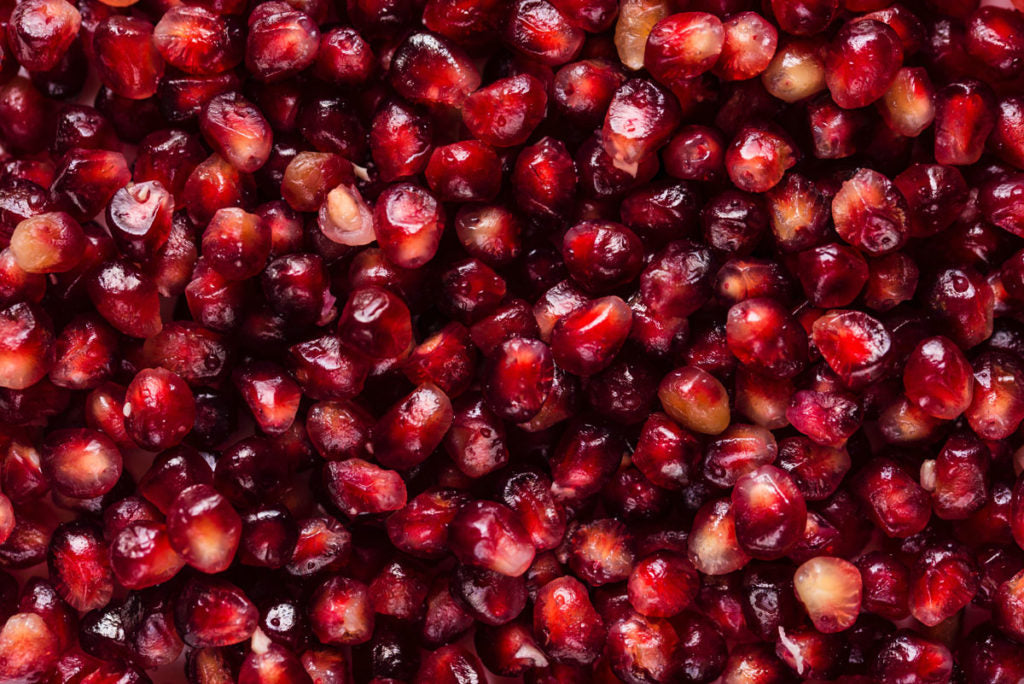


If they were born in the USA under the name of "superfoods", superfoods have emigrated to France for our greatest happiness. Their list varies between the two continents, because in the European Union, only those whose health claims have been recognized have the right to appear there.
In this large family, there are:
- The “greens”, hyper rich in vitamins, minerals and probiotics for some. These are vegetables, fruits, herbs and algae (passion fruit, blueberries, spirulina, chlorella, salad, spinach, kale, leeks, broccoli)
- Legumes (lentils, chickpeas, etc.)
- “Nuts, seeds and super fruits” such as goji berries, açaí, acerola, cranberry, pomegranate, blackberries, maca, camu camu, konjac, lucuma, ashwagandha; nuts (Amazon, cashew, pecan, macadamia, pine nut, pistachio), seeds, powders and spices (hemp, chia, pumpkin, fenugreek, brown flax, sesame sunflower, turmeric, moringa, psyllium, nettle, aloe vera, echinacea, ginseng, devil’s claw, ginger, ginkgo biloba, marigold, turmeric, anise and basil, coconut, raw cacao).
- Everything that comes from the hive like honey, pollen and royal jelly
- Not forgetting sprouted seeds, small but so powerful, which are real superfoods and well deserve this name.
To eat alone or with others?
Above all, eat superfoods raw , and preferably raw when possible, in their original form or as close as possible to their natural state. This is how their virtues are best preserved. This does not prevent you from drying them and reducing them to powder for those that lend themselves to it (like ginger roots) because they retain all their properties.
On the menu
Whether for breakfast or for sweet/savory breaks, superfoods have their place .

- Salty snack? Think of scrambled eggs with a slice of wholemeal bread enhanced with a crushed fresh tomato, drizzled with a dash of olive oil or camelina oil with a pinch of gomasio. Vary, depending on the season, avocado, tomato, spinach, enhanced with condiments or fresh herbs (basil, coriander, etc.) that you combine with an animal protein if you are not vegetarian (homemade sardine or mackerel rillettes, salmon, gravelax, organic chicken breast, etc.).

- Sweet snack? Satisfy your afternoon hunger with a homemade compote or granola with oats, walnuts, hazelnuts, sprinkled with a big pinch of sesame, flax, chia seeds, drizzled with almond milk (organic or homemade) and a few slices of banana and kiwi... it's a good start.
In practice
The secret is variety because the body hates repetition (even if it likes the temporality of rhythm, the respect of a framework and the comfort of rituals). Remember to have seeds on hand. Concretely, buy several jam jars, or small glass jars in the format of yogurt pots and fill them with good seeds (chia, sesame, squash, etc.) and oilseeds (walnuts, hazelnuts, etc.) but with only one ingredient per jar. Hang the list of these essential superfoods on your fridge and vary the combinations. On the same principle, prepare your lunch and dinner.
What drink with superfoods?
Superfoods would be nothing if they were not accompanied by the drink best suited to the body's needs: water.
With water
There is no point in trying to drink the most mineralized water possible; water with a low dry residue content perfectly fulfills its role as a thermoregulator, cellular messenger and drainer. Above all, water is there to carry messages from one cell to another, from one organ to another. This vital fluidifier also helps the body eliminate what it does not need or no longer needs.
If you occasionally need a mineral supplement, choose water rich in magnesium or calcium, for example. The right amount? It varies between one litre and one and a half litres depending on the season.
To get into good habits, drink a glass of water when you wake up and then a glass every hour (outside of meals).
In juice

It is also by preparing your drinks that you can take your first steps in "super foods". Whether it is to drain, to revitalize, to boost immunity, or to play the anti-stress, super foods have the beautiful role in the liquid state.
- Combine 100 grams of almonds, 2 pitted Medjool dates (fat-free), 2 drops of vanilla extract and 1 tablespoon of linseed oil. Put all these ingredients in the blender with 300 ml of low-mineral water (such as Mont Roucous or Rosée de la Reine) and mix. Drink this generous smoothie as is, or filter if you prefer a lighter juice. Its effects: restorative, digestive and soothing.
- Fancy something green? Take 3 handfuls of blueberries, 1 peeled orange, 3 handfuls of kale, ½ cucumber and 1 teaspoon of spirulina powder. Mix everything with 150 ml of water and filter to obtain a fluid green juice. Congratulations, you have just prepared a super immunizing, fortifying and purifying juice. Did it wake up your taste buds? Discover the now legendary Super Smoothies, the bible, €10.90, Éditions Marabout, by Fern Green.
Great… Right down to the skin?
Good news, superfoods have seduced cosmetics creators who slip their extracts into treatments. Applied to the skin , these little nutritional bombs, rich in minerals, vitamins, trace elements and antioxidants, are a godsend! Cosmetics have made a nice place for the date. Chosen for its antioxidant content (to protect the skin from free radicals), amino acids (to maintain its hydration level), trace elements (for cell regeneration), essential fatty acids (real shields of the epidermis), polysaccharides (energy reserve). Chlorella is also successful for its high content of nutrients (amino acids, vitamins A, B, C and E, unsaturated essential fatty acids, minerals (calcium, magnesium,) trace elements (iron, zinc), its chlorophyll which activates cellular metabolism and fights inflammation. Other superfoods to have found their way into care are moringa (a hyper-resistant tree, full of vitamin E), blueberry (powerful tonic, very rich in polyphenols and tannin, excellent stimulant of the immune system). Cocoa is also a very effective active ingredient: toning (thanks to the star active ingredient, theobromine and magnesium, natural antidepressants). Rich in flavonoids, cocoa also fights against cellular aging.
To crunch, sip or even massage... Superfoods are pulling out all the stops. Don't hesitate to familiarize yourself with each of them, test recipes, slip them in your pocket for a smart snack and, above all, think of them for each of your meals. They are all small and sometimes take unexpected forms. A pinch of sprouted seeds, for example, placed on a salad (or even on fish) may not seem like much, but they are real energy reserves that twist and liven up your menus. We told you, superfoods are all good!

Acid-base balance, the pillar of Clean Eating?
And yes, it is the basis (no pun intended) of good health. Balancing the acidity and alkalinity levels in the body is essential. Unfortunately, we don't think about it enough. Demonstration with two experts in acid-base balance.
What is acid-base balance?
The acid-base balance comes essentially from the diet, logically, because each food belongs either to the group of acids, or to that of alkalines (the opposite of acid) or even, of neutrals. It is therefore the contents of the plate which gives the basic tendency to the blood and to all the organic tissues.
The pH, Hydrogen potential, which measures acidity is neutral at 7. Below (from 0 to 7), we move into acidosis. Above (from 7 to 14), the pH is basic and the cursor is on alkalosis.
The goal? To be in balance , neutral. This acid-base balance depends on the protein content (and especially the sulfur amino acids they contain), citrates or bicarbonates, the rate of absorption of nutrients and also the nature of the residues generated by cellular metabolism. The more sulfur, phosphorus, chlorine, nitrogen a food contains, the more it generates the formation of acids. The more potassium, sodium, iron, calcium it contains, the more basic elements it produces. Eating healthy, organic, unprocessed, adopting a Clean Eating lifestyle, gives you the best chance of naturally achieving this acid-base balance.
Why talk about imbalance?

"In the body, communication between cells is essential. This communication depends, among other things, on cell membrane fluidity, a subtle balance between potassium and sodium ions. But the imbalance between animal and plant proteins, and especially the insufficient intake of complex plants (vegetables, fruits, legumes), modifies this fluidity. Excesses in fast sugars, saturated fats and trans fats, and refined products filled with empty calories also disrupt this precious balance" explains Céline Vaquer, naturopath, specialist in functional nutrition (on Instagram, @ensemble_pleine_sante ). In addition, this imbalance which tends towards the acidic tendency, is the breeding ground for inflammations of all kinds.
"Humanity's evolution is unfortunately moving towards an acidifying diet, the protein/potassium ratio has deteriorated considerably." This change is explained by a profound change in diet. "We have gone from a diet composed of more than 65% fruits, vegetables, nuts and seeds and less than 35% animal products, mainly from fish caught and hunted by our hunter-gatherer ancestors, to a diet that today provides 30% cereals, 35% foods with low nutritional density (chips, fast food, etc.), 10% dairy products compared to only 15% fruits and vegetables and 10% (real) unprocessed animal products. A real disaster for our cells!" regrets Céline Vaquer. She specifies "Heavy meat eaters, due to an excess of protein intake, increase urinary calcium losses and generate a high acid load. These people should particularly favor plants, fruits, vegetables, nuts and seeds, alkalizing substances to allow their body to return to an alkaline level" concludes the naturopath, specialist in functional nutrition.
Acid-base, how does it work?
For Lisa Salis, naturopath, founder of the online Academy of Health, Hygie ( hygieacademie.com and on Instagram @lisasalislife ), everything is explained. "The body, which is constantly seeking its vital balance (whose pH is between 7.32 and 7.43), must constantly regulate the pH of the different fluids in the body (blood, lymph, intra and extracellular fluid, saliva, etc.). It has many levers at its disposal, in particular a buffer system which, thanks to mineral salts, allows the body to neutralize a certain quantity of acids. Concretely, volatile acids are eliminated by the lungs and respiratory tract through exhalation. Non-volatile acids are expelled via urine and sweat through the kidneys and skin." And the naturopath specifies "energy metabolism and digestion also produce acids. Which explains why our body tends to lean towards acidity, especially during the day when cellular activity is running at full speed. "One more reason to help it maintain a neutral pH with a diet without too many acidic or too basic foods.
Too much acid… what’s happening?
"When the body has more acid waste than it can eliminate, the acid-base balance is broken," explains this naturopath. "Doctors use the term "acidosis" when the blood is too acidic and in this case, life is in danger. This is why I would speak more of "tissue" acidosis (and not blood) or acid-base imbalance. In this case, the acids invade our tissues, in particular our muscles, our joints, our intestines and neighboring tissues (psoas, urogenital system, lumbar, etc.) as well as all our cells so that the energy production of these tissues is blocked."
The consequences of acidity

The body, always driven by its instinct for survival and balance, will directly use its own reserves. In order to neutralize an excess of acids, it draws on the alkaline mineral reserves of the plasma, lymph, hair, nails, cartilage and bones. Lisa Salis confirms "the mineral reserves are sacrificed to buffer these excess acids. Which leads to demineralization and all its consequences". We quickly see the effects:
- Chronic fatigue (especially in the morning and after meals)
- Cramps, contractures, aches
- Mood disorders
- Heart problems
- Cartilage disorders
- Dental problems and gingivitis (cavities, loosening, etc.)
- Osteopenia (bone fragility), osteomalacia (bone decalcification) and osteoporosis (decreased bone density)
- Decreased resistance to stress, which itself is very acidifying since it depletes magnesium reserves
- Irritability
- Chronic inflammatory conditions, especially in the joints and mucous membranes (sinusitis, conjunctivitis, angina, rhinitis, etc.)
- Sclerosis (arteriosclerosis, fibrosis, etc.).
- Development of uric acid stones or kidney stones, but also at the level of the salivary glands. We then speak of salivary stones!
There are other less common symptoms such as "muscle wasting, acidic and odorous sweating, sweaty hands, excessive sweating of the feet, oily skin, hair loss, brittle nails, mouth ulcers, cracked corners of the lips, skin disorders, sciatic pain, painful urination, weakened immunity, chronic headaches or migraines, chilliness, depression."
Another insidious consequence that the naturopath recalls is "the storage of acid waste in soft tissues (cartilage, tendons, tissues) which causes tendonitis, joint pain and painful inflammation."
Finally, extreme acid imbalance, cancer. Because "the more the tissues become acidic, the more alkaline the blood, the more the terrain favors the development of cancer" concludes Lisa Salis.
How to find acid-base balance?
Acid imbalance is encouraged by a stressful lifestyle, increasing environmental pollution and especially a diet too rich in meat. "It is then enough to favor alkalizing foods to counter these acid excesses with food rich in antioxidants, vitamins and minerals, and especially plants which provide citrates and malates, the best lever available to preserve the acid-base balance" advises Lisa Salis.
The right strategy:
1 – Identify acidic foods
It is not a question of excluding them (except those which do not provide any nutrients and only acidify the body like sodas or processed foods) but of always compensating for them with alkaline foods.
- Animal proteins: “Above all, avoid eggs, fish, shellfish and meat, which are rich in sulphur amino acids, which are more acidifying than the others, by releasing sulphuric, uric, phosphoric and hydrochloric acids which humans eliminate poorly” specifies Lisa Salis.
- Stimulants: cocoa, teas rich in theine, mate, coffee, alcohol, nicotine
- Refined and fermented products, such as hard cheese (Parmesan, one of the most acidifying!) “Dry cheeses, very rich in phosphoproteins, provide very acidifying phosphate ions after digestion,” adds Lisa Salis.
- Ultra-processed or industrial products: the list is long, these are all products stamped with an index of 4 by the NOVA reference measurement unit, used by hospitals. "Avoid them, even yeasts and broths, as well as sodas whose pH is 2.4 on average" insists the naturopath.
- Refined table salt or sodium chloride (NaCl) “And very salty foods such as cheeses, cold meats, prepared meals and industrial breads”.
- Foods rich in purine, a nitrogen molecule: cocoa, sweetbreads, coffee, tea, small fish (herring, anchovies, sardines), trout, carp, beef, chicken and salmon.
- Foods rich in oxalic acids, which are harmful to the body even if it naturally contains small quantities to fix calcium: cocoa powder, tea, pepper, sorrel, dried figs, chocolate .
2 - Alkalize your body


- Wheat and barley grasses (avoid if pregnant or breastfeeding)
- Aromatic herbs
- Plants (horsetail and nettle)
- Vegetables (richer in potassium than fruits)
- Fruits and dried fruits
3 – Play the beneficial associations
For Céline Vaquer, it is necessary to restore the acid-base balance through diet and carefully selected nutritional supplements. The functional nutrition specialist recommends winning combinations : "Combine meat or fish or egg + vegetables, cheese + salad, avoid meat + hard cheeses in the same meal. I also recommend taking food supplements: potassium bicarbonate, calcium and magnesium carbonates, in the event of an unbalanced diet (fast food), in athletes who have difficulty recovering or are subject to recurrent tendino-myalgia and for people who follow diets with significant calorie restrictions or high protein."
4 – Adopt good habits
- In the morning, start with a glass of water and once in a while (not for a long time), take a lemon juice diluted in a little water. Despite its acidity, lemon is alkalizing.
- At the end of the morning, treat yourself to a vitamin-packed juice combining carrot, apple and orange.
- For lunch, combine a chicken breast, a portion of green vegetables and a portion of potatoes.
- A white cheese garnished with nuts and a dash of honey for a snack.
- For dinner, a salad made with tofu, hearts of palm and green salad accompanied by roasted celery or celery velouté.
- On the gourmet side, bananas, figs, dates, strawberries, peaches and apples are among the most alkaline fruits, as is avocado. So one evening, make yourself a guacamole with vegetable chips, accompanied by a mashed banana with dates. Bon appétit!
Stress, the enemy of acid-base balance
Eat mindfully, of course, and never when stressed. For our experts, it is an absolute necessity, because stress greatly disrupts the acid-base balance! "Chronically stressed people, who do not secrete enough or too much hydrochloric acid, cannot produce bicarbonate. Hence the importance of compensating by consuming potassium bicarbonate food supplements. This salt owes its prefix ("bi") to its dual acid-base character (known as amphoteric character): both acid and base, it will behave as a base in the presence of an acid and as an acid in the presence of a base" notes Céline Vaquer. "Beyond breathing , it is mainly the kidneys that regulate the concentration of these bicarbonates by controlling their retention or elimination through urine" specifies the specialist.
While it is important to absorb bicarbonates directly to eliminate excess acids produced throughout the day, a natural and balanced diet remains the best insurance for your acid-base balance and for your health.

Almost Perfect Lunch with a Vegan
Guess who's coming to lunch later?
When a vegan friend invites himself over to your place… it can quickly turn into a headache. Most of the time, the vegan person will offer to bring his own dish. But if you want to please him and concoct a vegan menu for him, you will see that it is not so difficult after all!
What is the vegan diet?
To answer this question, we must first remember that being vegan - much more than a simple diet - is a real way of life , very respectful of animals. A vegan goes even further than a vegetarian. Very sensitive to the condition of animals, the vegan excludes all products of animal origin from his diet. Exit fish, meat, cold cuts, but also eggs, milk, dairy products and derivatives (butter, cheese, etc.) as well as honey. Suddenly, all fruits, vegetables, legumes (lentils, chickpeas), cereals, plant-based substitutes for animal proteins (soy-based), seeds, etc. remain.
Vegan recipe ideas
To concoct a vegan menu, you can follow the hashtags #CuisineVegan, #CuisineVegane or #MangerVegan on Instagram or the accounts of @marielaforetvegan , @la.petite.okara , @eva_lespetitsplats . Another option is vegan cooking sites on the internet or dedicated accounts on Pinterest. You will find a wealth of recipes there to brighten up your menu. For example:
For the aperitif
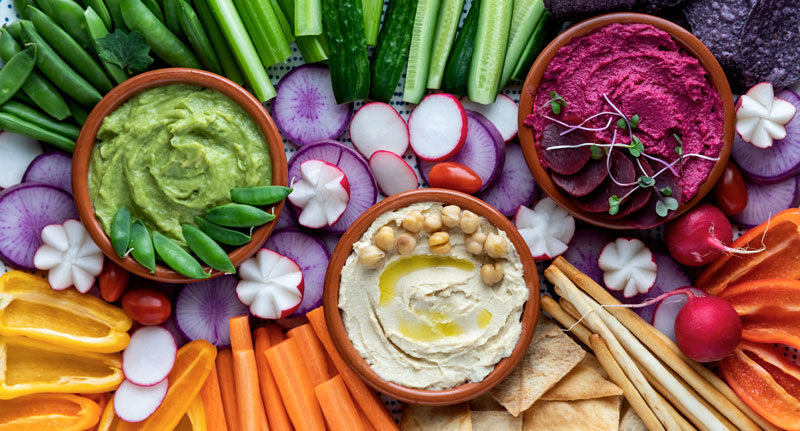
Why not prepare an olive tapenade, eggplant caviar or some hummus instead of the more traditional vegetable sticks. If you don't have the time (or the desire), you can find ready-made recipes in organic stores. Other ideas to concoct: tarts with different variations (zucchini-tofu, leeks, etc.), vegetable verrines or even spinach omelette (with vegetable milk and chickpea flour, etc.). In fact, all traditional appetizers have their vegan version.
Flat side

- You can choose from a variety of salads: Thai quinoa salad, lentil and vegetable cheese salad, kale salad, seasonal potato salad, etc.
- Just as easy to make and very trendy, bowls , with semolina at the bottom and whatever you want on top (chickpeas, grated carrots, red cabbage, sweet potato, tomatoes, etc.). Take special care to place the food in a deep, round plate.
- You can offer vegetable curries with quinoa, gnocchi and sautéed vegetables or lentils with vegan sausages. If you want to travel on your plate, why not plan a vegetable tagine with preserved lemons or a meatless chili. Anything is possible!
Cheese
If you like cheese, you can easily find fake cheeses (like Camembert) that respect vegan values.

Dessert
For a sweet touch, you can do everything (or almost everything) without using milk, eggs, or butter. Yes, yes. For example: vegan cannelés (with tofu, rice flour, and soy milk), sticky rice with coconut milk, or even vegan chocolate cream with soy milk.
The mistake to avoid
There is nothing worse for a vegan than being stigmatized. In other words, preparing "a special plate" for them while the other guests enjoy a different menu.
Inviting a vegan friend will require a slight adaptation, but it's not that complicated! So, the easiest thing is probably to concoct a 100% vegan meal and avoid offering meat dishes at the table, even on the side.

Clean Eating: apps to die for!
They slip into a pocket and respond at the touch of a button. They are the nutritional,healthy , sometimes girly apps that give edifying (or not) information on what we put on our plate. Decoding.
First of all, a few small recommendations. If you use applications to decode what you are going to put in your shopping cart or analyze what you have put on your plate , it is because eating healthy is important to you. Small downside, if you have a lot of barcodes to scan, it is (a priori) because you have bought many processed products. Indeed, there are hardly any barcodes on bananas or fresh spinach. Unless you opt for certain organic fruits and vegetables sold in bags. In short, be happy if you have fewer barcodes than expected and do not panic if you have a few too many… These apps are there to “healthy” your life . And this is possible because since 2016, manufacturers have been required to display the nutritional composition of their products on their packaging and more specifically, the quantity of sugars , fats, salt, proteins, and even the energy value per 100 grams or 100 milliliters.
Buy or Not

Food products, on the App Store and Google Play
How to? barcode scan.
Why? To obtain precise information on the impact of the scanned product on health, with indices such as the Nutri-Score (composition and qualities of the product, all rated from A to E), or the Nova (which indicates the degree of transformation of a product, from 1 to 4) but also societal impacts which, even if they are not measured quantitatively by ratings, are indicated according to any boycotts in progress.
The + : the fact of combining nutritional and societal information is an advantage which encourages the consumer to become aware of the product as a whole.
Open Food Facts

Food products, on the App Store and Google Play
How? Same, we scan the product and if the barcode is missing, we just type the name and search for it. Practical!
Why? To obtain a real analysis of the product through a host of criteria and measures such as Nova, Nutriscore and Eco-score (here, it is the environmental impact of the product which is rated from A to E).
The + : the app brings together information from the WHO and the National Nutrition Health Program, in particular to carry out analyses and deduce precise scores.
What product?

Food, cosmetics and household products, on the App Store and Google Play.
How? Direct search or barcode scan.
Why? This app, created by Que Choisir magazine, provides Nutri-Score information on the products in question and information on the risks they represent for the consumer at a glance, with very clear color codes.
The + : the app also warns of the presence of additives in the scanned food. The notion of toxicity and danger is particularly highlighted.
Save Eat

Food products, recipes.
How? This is not a food analyzer based on the barcode. You just have to add ingredients either by scanning them or by entering their name, and the app suggests recipes. If ingredients are missing, the app suggests them… It is the smart app par excellence, because it helps to avoid waste by suggesting recipes based on the contents of the fridge.
Why? To cook easy-to-make recipes and above all without wasting or blowing your budget. To do your shopping by matching it with what is in the fridge, previously informed. No more possible duplicates, unless you do it on purpose to double the quantity of small homemade dishes.
The + : thanks to this app, we avoid waste and we can easily share our recipes with our network of friends. Another +: the diversity of the recipes offered.
Sign

Food products, on the App Store and Google Play
How to? barcode scan.
Why? Here, it is the degree of processing that is taken into account. The food is rated from 1 to 7 (7 being a product so processed that it no longer has much to do with a healthy food). Studies from several reference organizations are consulted, such as the WHO, the EFSA (European Food Safety Authority), and the FSA (the British Food Standard Agency). Thanks to these criteria, the app delivers “Siga” scores.
The + : clever, the app also awards medals to certain products deemed particularly convincing.
Yuka

Food and cosmetic products, on the App Store and Google Play.
How? We scan the product's barcode, and if we are a premium subscriber, we even have access to a search on products that do not have one.
Why? to see what score will be given to the selected product and especially what faults it has (too rich in sugar, too processed, too fatty, etc.), In a word, why it is good or not.
The + : if the scanned product is considered bad by Yuka, the app offers an alternative. Hence the absolute necessity for this app to be 100% independent.
Even though we always recommend putting our phones away from our plates to eat mindfully, we like these smart apps that help us choose healthier and more eco-friendly foods. And we like that!

Your summer health cart
Some color in your flower bag!
Summer is in the air and you haven't missed it. A good reason to eat better and adoptClean Eating . So take advantage of this sunny season to create the perfect basket. Here are some healthy, vitamin-rich and colorful ideas...
First of all, we start by reviewing the basics of clean and healthy eating . Eating healthy means favoring fruits and vegetables , legumes, animal proteins in smaller proportions (on the plate, it is 1/3 accompanied by 2/3 vegetables and not the opposite), always local or as much as possible, seasonal and most often organic. The foods are little or not processed and above all, the plate is varied, balanced while respecting the acid-base balance , with little or no added sugar , all completed (and not watered down, because we try to drink more often outside of meals) by mineral water with the lowest possible dry residue rate so as not to tire the kidneys. Don't forget, water is the first vital food. Not only does it allow all cells to live, but it is also their means of communication. Water is essential for its hydrating function and for its role as a cellular messenger.
A basket of all colors
Because it's summer, it's the time or never to reset the counters and let intuition guide you towards the clean and healthy foods to slip into your shopping bag or trolley. Because nature is well made and the body "knows", you have every chance of being attracted to what is good for you when your body needs it. Fortunately, it doesn't work with cravings for fries and hamburgers! Although. It is necessary to distinguish between a craving and an addiction. If every time you watch your favorite series, the desire for chips and coke arises, it is because a habit, or even an addiction, has set in. All it takes is for you to have prepared a TV tray with chips and coke several times to have a pleasant time, so that the following times the same situation calls for the flavors of the foods tasted that day. The culprit? State memory, this memory that associates polysensory sensations and memories. Do you understand the principle? It's up to you to deprogram this little Proust Madeleine and to anchor a new one, healthier , cleaner.
The ideal shopping bag is already in your head!

Yes, doing Clean Eating shopping requires preparation . Choose the bag you like the most (rattan basket, tote bag, brightly colored net, super cute Scottish trolley on wheels!) and take it in hand with the intention of filling it with good things that you will choose carefully. Don't hesitate to say out loud, whether you are alone or with spectators, "I go shopping to prepare healthy and delicious meals". Then head to the market (or to the fruit and vegetable section of your supermarket) and get ready to watch a film in technicolor. What does that have to do with it? Formulating this intention clearly will keep you away from junk food, even if you risk being tempted, your unconscious will do its job of warning "stop, you promised!" And the more colorful your basket is, the more colorful your plate will be too. However, a plate with varied colors guarantees the presence of equally varied nutrients: minerals, trace elements, antioxidant pigments, vitamins, fibers. And it's so easy that there's no need to stay focused on black and white. Besides, your brain doesn't make any mistake: wander through the summer fruit and vegetable aisles, take the time to look tomatoes, eggplants, strawberries, salads, cucumbers in the eye. Instinctively, it's first through our eyes that we gauge the freshness and quality of a food. Then a cascade of images, flavors and smells come to mind and almost immediately, you're salivating! So, get your vitamin baskets ready...
Green, to lighten up

Green detoxifies thanks to chlorophyll, whose mission is also to oxygenate the body. However, better oxygenation facilitates good immunity (hence the interest in moving at least 30 minutes a day)! But that's not all. Green is also the color of glucosinates found in broccoli, Brussels sprouts, green cabbage, which have recognized anti-carcinogenic properties. It is also thanks to their detox role that these glucosinates contribute to the activation of enzymes responsible for the detoxification of cancer cells. Cucumber, green apples, lime, avocado are yours.
Red, for cardio


It protects the heart and eyes thanks to lycopene, a super antioxidant very close to carotenes, and which gives all their sparkle to tomatoes, peppers, pomegranates, red apples, pink grapefruit, strawberries, redcurrants, watermelons... Go for this red and its lycopene which prevents cardiovascular diseases due to its ability to promote cellular communication.
Purple and blue, like red!

Right next to red, purple performs almost the same missions: this powerful color means that resveratrol is not far away. This antioxidant is good for the heart, as are anthocyanins, which protect the skin. Ask your market gardener for a selection of red onions, eggplants, blackcurrants, plums, and grapes. Blue, synonymous with phenol, strengthens blood vessels. If their blue sometimes tends towards purple, it is the family of eggplants, figs, and blueberries that best represents them.
Yellow and orange, anti-inflammatory

Yellow reveals the presence of bioflavonoids, a powerful anti-inflammatory. Yellow peaches, yellow peppers, yellow heirloom tomatoes, yellow lemons, in short, yellow. And in addition to being tasty, these fruits and vegetables in the colors of the sun attack bad cholesterol. Orange is beta-carotene which gives a healthy glow , a precursor of vitamin A, an ally of the eyes and sight, and above all, an immunity booster. This color is also credited with the ability to act as antivirals and antihistamines (ideal in the presence of allergens or mosquitoes whose bites they will reduce). So go for peaches, apricots and mangoes.
White and beige, for tension

These two colors indicate a reserve of allicin and anthoxanthin, which together potentiate and regulate blood pressure. What could be more tempting than adding a nice pinch of chopped and fried garlic and onions to your turnip dishes?
Local the cart!
In summer, it's the holiday destination that guides your purchases. Always remember to take inspiration from the local area. Unless what is offered is totally opposed to your diet (too fatty, too meaty) or your tastes (too spicy), let yourself be carried away by what the traders offer you on the markets. Chestnuts and clementines from Corsica, melons from Cavaillon, cocos de Paimpol... All the controlled designations of origin (AOC) come from the local area. However, the local area gives local fruits and vegetables all the nutrients from the earth that they need to grow! By eating local , you will benefit from the advantages of this local area, but as a bonus, you will consume fruits and vegetables that have not been picked barely ripe, will not have traveled miles to end up on your plate devoid of any good nutrients.
Scalable tote bag
Especially for meat products... In the 60s and 70s, housewives slipped five types of meat into their "shopping bag": beef, pork, mutton, chicken, turkey. Then between 1960 and 1980, consumption remained varied and increased considerably (going from 78 kgec known as "carcass equivalents" to 104 kgec in 1980). An outward sign of wealth, meat was in almost every meal. Purchasing power increased by almost 4%, health messages mentioned the beneficial role of meat products, livestock farming concentrated and intensified. New face of the shopping basket in the 90s: meat consumption stabilized, but beef (associated with several health crises) fell in favor of pork, poultry and mutton. The oil shock of 1989 limited household purchasing power to 0.9%, which reduced spending. Finally, another significant turning point in the 2010s to today, we eat less meat, we demonstrate that legumes are interesting sources of protein, we emphasize the key role of fruits and vegetables, in short the clean and healthy trend puts more and more green in the shopping carts. Even if, curiously, the consumption of cold cuts is doing well...
What proteins to buy this summer?


Today, eating a balanced diet does not mean banning animal proteins, but rather becoming aware that reducing their consumption is a wise move. Above all, as with plants, think locavore! Lamb from the salt meadows of Mont Saint Michel or Sisteron, oysters from Oléron, and beef from Charolles have all been raised according to tradition.
To make sure, choose AOCs, organic when possible and quality over quantity. And things are changing! Our plastic bag has become a tote bag (or a shopping net again) and it contains more fish, especially oily fish like wild salmon, mackerel; eggs that have regained their nobility, vegetable proteins like tofu (soy "cheese" made from compressed soy milk), tempeh (also made from soy, but fermented with a fungus for two days to give a sort of nougat that is more compact and less crumbly than tofu, with a more pronounced taste) or seitan, called wheat meat (obtained by removing all the starch from wheat flour to keep only the pure gluten, an elastic and fibrous mass close to the consistency of meat).
This summer, more than ever, dare to try unknown flavors and new combinations, but also take the time to reconnect with traditional recipes. In short, take yourself for a Top Chef candidate. If creativity is for all seasons , respect for tradition is also essential. Because in a trolley, a shopping bag, a basket, a bag, there are varied, healthy, quality products, to compose infinite balanced menus. But above all, behind each purchase there is the intention to prepare a meal for your family, your friends or for yourself with awareness, presence... With love! It's summer, come on, cook!
2 summer recipes from our guest chef, Angèle Ferreux-Maeght, from the Guinguette d'Angèle.
Garlic Pie
This is one of this naturopathic chef's favorites. To make it you need:
- 200g rice flour
- 40g buckwheat flour
- 100g butter
- 12cl of lukewarm water
- salt and pepper
- 3 medium heads of garlic
- 2 tablespoons balsamic vinegar
- 2 tablespoons olive oil
- 1 teaspoon balsamic vinegar
- 2 tablespoons of honey or whole sugar
- A small bunch of dried thyme
- 120g of sheep’s milk cheese (or other cheese)
- 2 small eggs
- 20cl of liquid vegetable (or classic) cream
- Pepper from the mill
In a bowl, pour the rice flour, buckwheat flour, salt and pepper and make a well in the center. Add the cut butter and water, knead until you get a smooth dough.
Spread the shortcrust pastry on a sheet of baking paper. Then line a tart mold and prick the bottom with a fork.
Peel your heads of garlic, if you have a microwave (even if we limit its use as much as possible of course) you can heat them for 20 seconds, the cloves will soften and will detach as if by magic.
Preheat your oven to 180°C. Then immerse the pods in water and bring to the boil for 8 minutes, then drain them. Brown the pods with the olive oil, balsamic vinegar and sugar while stirring until everything caramelizes.
In a salad bowl, beat your eggs and add the cream, pepper. Place the tome in pieces on the bottom of the tart. Pour the cream and beaten egg mixture then scatter the caramelized garlic cloves and thyme on top. For an even more golden pastry, spread a beaten egg yolk using a brush on the edges of the pastry.
Bake for about 30 minutes, the tart should be golden brown. Serve hot with a green salad.
Strawberry Crumble
Not only is it delicious, but it is also gluten-free. Its only flaw, according to the healthy chef, is that you can quickly become addicted to it!
For 4 people, you need:
- 5 to 6 apples
- 300g strawberries
- 200g of our gluten-free flour mix (or a mixture of gluten-free flours)
- 150g of semi-salted butter
- 125g of rapadura sugar
Preheat the oven to 180°C.
Peel and cut the apples into cubes, place them with the halved strawberries in an ovenproof dish.
In a bowl, mix the flour mix, Rapadura sugar and butter until you get a sandy mixture. Crumble the dough between the palms of your hands to obtain the desired consistency. Sprinkle the crumble mixture over the fruit.
Bake for 30 to 40 minutes and serve warm with a tablespoon of plant-based yogurt or ice cream for those with a sweet tooth!
For a quick lunch with a respected acid-base balance, for a light meal full of vitamins and antioxidants and many other recipes, go to the site laguinguettedangele.com or fall for the latest book by Angèle "Good, simple and healthy, my little daily dishes to do yourself good" published by Marabout.

Heavy metals in food: how to get rid of them?
Adults and children all have a body over-impregnated with heavy metals. A process that can have serious consequences on their health. The point on this worrying issue and simple and effective actions to get rid of these heavy metals and learn toeat healthily .
Scary! According to a very recent survey by Public Health France, 95 to 100% of adults and 100% of children are contaminated with heavy metals!
Arsenic, mercury, lead… the Esteban Study shows that our bodies are infected by 27 heavy metals!
Of course, not all of these metals have the same role and do not present the same danger. Copper and zinc, for example, are rather beneficial and contribute to the proper functioning of our body at certain doses. Others, on the contrary, are singled out because they can be the cause of many diseases (diabetes, cancer, etc.). In both cases, an overdose is not good.
Where do heavy metals come from?
From several sources:
- Overexposure to mercury comes from dental amalgams and diet (especially certain fish which can also contain chromium, arsenic or cadmium).
- Aluminum also comes from our plates, some medications and deodorants. Not to mention the use of certain phosphate fertilizers for children's cereals. Of course, tobacco, which is very harmful to the body, contains copper and cadmium.
- Please note that foods from organic farming are not free of heavy metals (particularly copper) even if the fruits and vegetables are less polluted, because this cultivation method does not use the technique of sewage sludge to fertilize land (with risks of the presence of chemical or medical pollutants).
What do heavy metals do to the body?
Chronic fatigue, irritability, headaches, but also more severe pathologies (multiple sclerosis, neurodegenerative diseases, diabetes, kidney failure, Crohn's disease, cancers, etc.), heavy metals are not without consequences on the body. Too high a concentration of heavy metals increases oxidative stress, disrupts the hormonal system and worsens inflammation on a daily basis. By being over-stimulated in this way, our immune system weakens. Are you affected? To find out, do a detection using blood and/or urine tests, but also a hair analysis.
How to limit exposure to heavy metals?


First, you need to stop smoking and go to the dentist regularly to treat your cavities. In fact, if you can check the composition of your toothpaste, that's even better. In fact, the magazine 60 Million Consumers recently denounced the presence of heavy metals in supermarket toothpastes . A little pro tip that's easy to implement: scrape your tongue when you wake up, which helps eliminate waste released by the body at night.
- Then on the detox side, focus on certain nutrients such as chlorella, milk thistle and chicory which will facilitate the elimination of these harmful metals. They have the ability to "capture" heavy metals in order to facilitate their natural elimination. This phenomenon is called chelation. You can plan to take food supplements several times a year, once or twice at least.
- On the plate, broccoli, kale, and spinach are excellent allies in the fight against heavy metals. You can also start drinking vegetable juices in the morning and sprinkle your dishes with coriander, garlic, parsley, and ginger!
- Choose fish like mackerel or sardines, limit tuna or salmon.
- Other simple actions to take: if you drink tap water, remember to filter it well, because aluminum salts are often used to clarify it.

Freegans, these whistleblowers
A new way of life linked to the recovery of food destined for the trash, freeganism proposes to completely rethink our relationship with waste . Welcome to the world of Freegans!
It's around 5pm. Two women are waiting in front of the Parisian Franprix store, chatting and keeping an eye on their children in their strollers. Suddenly, the employees of the supermarket take out the big bins into the street. The two mothers, soon joined by other people, "sort" and collect food that has been thrown away because it is unsaleable (but still edible), due to its expired DLC (Use-By Date). "Look, some ham", "oh, some yogurts, my daughter loves them". The atmosphere is friendly, and the spirit of sharing... Welcome to freeganism, a lifestyle that is more or less part of the Clean Planet trend!
Freeganism, what is it?


Freeganism is a portmanteau word born from the contraction of free (freedom) and veganism (lifestyle without the use of animal products). This new lifestyle makes us rethink our relationship with purchases and waste . These two women may be freegans without knowing it. Because it is not always out of necessity that freegans rummage through trash cans, but to fight against food waste, among other things. The freeganism movement collects food waste from major retailers or food establishments for personal consumption or to redistribute it to people in need. This is the reason for the existence of various collectives such as the Lyonnais Les Gars'pilleurs founded in 2013 whose motto is "Nothing is lost, everything is recovered" (more information by following their Facebook page) or "The antigaspi&solidaire brigade" @la_brigade_antigaspi_solidaire , on Instagram. In addition to collecting and redistributing unsold items, these collectives want to raise awareness.
Freeganism, beyond food waste
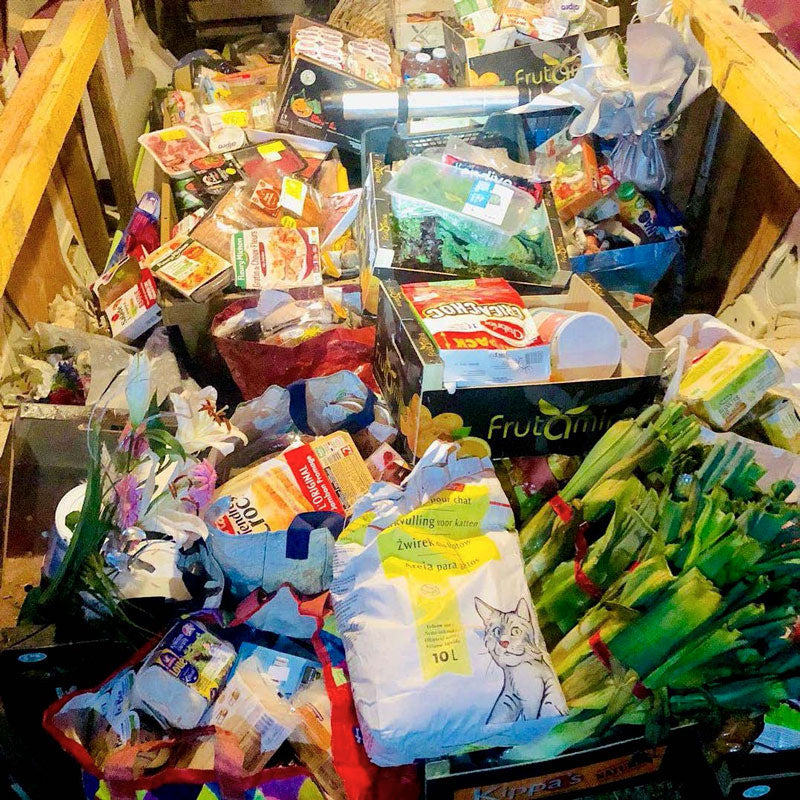
Some hard-hitting actions to combat food waste are carried out in a more publicized manner, notably during the International Day of Awareness of Food Loss and Waste, launched by the United Nations (scheduled this year for September 29). As a reminder, in France each year 10 million tons of food is "lost" if it is not recovered from the trash cans of large-scale distribution (2.3 million tons) or restaurants (1.5 million tons). Especially since, according to the Ministry of Agriculture, 1.2 million tons are still edible.
On the freegan info website, the concept goes even further: " freeganism is the boycott of an economic system in which the concern for profitability has completely swept aside any ethical consideration (...). So rather than avoiding buying products from certain companies that lead us to benefit another, let's simply avoid buying as much as we can. "
Also called "dépôtarians", these activists denounce food waste and overconsumption. As a result, through their actions, called dumpster diving, freegans fill their fridges without going through the supermarket checkout. A way to fight against our materialistic societies, capitalism and its excesses.
Initially focused on the recovery of unsold food, freeganism can now extend to other areas, such as the recovery of other products destined for the trash like furniture, clothes , etc. Moreover, we see the emergence of micro-accounts on Instagram highlighting everything that is recovered directly from the street , as an eco-responsible and militant act, for a cleaner planet . Accounts that advocate stopping mass overconsumption
A new way of acting to preserve the planet.

The Truth About Fruit and Vegetable Juices
After a wave of madness about fruit and vegetable juices, we wonder if it is really smart to sip these orchard fruits and garden vegetables all day long! Here's the lowdown on these drinkable plants.
The famous recommendation "5 fruits and vegetables per day", that's understood. We even thought we had THE solution by greedily swallowing a large glass of multi-fruit every morning to stock up on vitamins, minerals, antioxidants and water that the body needs so much. That was without counting the sometimes contradictory opinions of dieticians and nutritionists. Too sweet , not fibrous enough, but why should we burn what we loved?
Juices, a full express?
It's hard to fit two oranges, a kiwi and a sprig of parsley into a glass. But once all that's been through the juicer, technically, it's possible! Extracting juice from fruits and vegetables, cold, allows you to preserve all the good nutrients. But what are the real benefits? Since the body is made up of more than 70% water, hydrating it daily is vital. Since juices themselves are mainly made up of water (between 80 and 90%), they guarantee optimal hydration.
But beyond that, it is the nutrient content that interests us. A bit like a clone, juice contains exactly the same properties as the fruit or vegetable from which it is extracted. Devoid of "material", essentially fiber, it is easier to digest and is a delight for people with digestive problems. Because assimilating a liquid is faster than assimilating food. But it is precisely because of its lack of fiber that fruit or vegetable juice is questionable.
We love juices because…
They aregood for your health !
They have the same benefits as fruits and vegetables, namely that they are alkalizing or basifying. Even when they have an acidic flavor (like lemon), they remain structurally alkaline and help ensure the famous acid-base balance essential for proper metabolic functioning. Consumed in front of red meat or fried food, they reduce its acidifying character.
They are rich in antioxidants, these famous molecules that prevent our cells from rusting and therefore aging prematurely. Full of vitamins, juices provide just the right amount that the body needs on a daily basis. As for minerals and enzymes, it's the same, the stars of orchards and vegetable gardens allow you to stock up.
Star fruits of juices


Passed through the extractor, cold, fruits and vegetables retain all their nutritional qualities. Indeed, without increasing heat which damages some of their virtues, the extractor is the ideal solution. In the top, we find:
Oranges and lemons:
They have always been the first to be pressed! Rich in vitamin C, their juices benefit from a great deal of sympathy and energy. Rich in flavonoids, they are allies in the fight against cholesterol. If their boost effect is proven, it is also thanks to the imagination they arouse, that they bring that much sought-after pep as soon as the glass is swallowed. The Coué method? A little, but it is interesting to remember that the brain, through thought and visualization, begins to secrete substances even before having physiologically benefited from the nutrients ingested. Thus, the simple sight or evocation of a lemon makes you salivate... and digestion begins!
The apple:
A super antioxidant fruit that fights cholesterol, boosts the immune system and is used as a base for most fruit juices.
Pineapple:
Rich in digestive enzymes, facilitates the assimilation of proteins in addition to playing a recognized antibacterial and antiviral role.
The tomato:
If enjoyed alone, it also combines delicately with vegetable and fruit juices to which it brings a touch of acidity and energy. It has plenty of pep, as it is rich in vitamins and antioxidants, including the famous lycopene acclaimed for protecting the eyes from premature aging.
And vegetables, the darlings of juices?
Vegetables are also included in the composition of juices:
The carrot:

With its reputation as a healthy-looking vegetable, because it is very rich in beta-carotene, it is as mild as it is sweet. It is also said to have antiparasitic and antimicrobial properties. It goes well with many fruits (apple, orange) and vegetables (beetroot, cabbage, parsley).
Cucumber:

Very rich in water, it is at the top of the vegetable juice stars. As a base, it goes well with all flavors. It is a slimming ally of choice thanks to its hydrating and draining power.
Celery:

Has long been appreciated, alongside tomatoes, by lovers of vegetable juice. It is the champion of potassium intake. It regulates blood pressure and, thanks to its diuretic properties, boosts detoxification.
Beetroot:

As its color would suggest, it is a powerful stimulant in case of anemia. It also has an anti-inflammatory role and pairs perfectly with milder flavors like apple. Cabbage has made its way into juice extractors! We love it for its digestive and detoxifying properties, and more specifically for its role as a gastric bandage.
Broccoli:
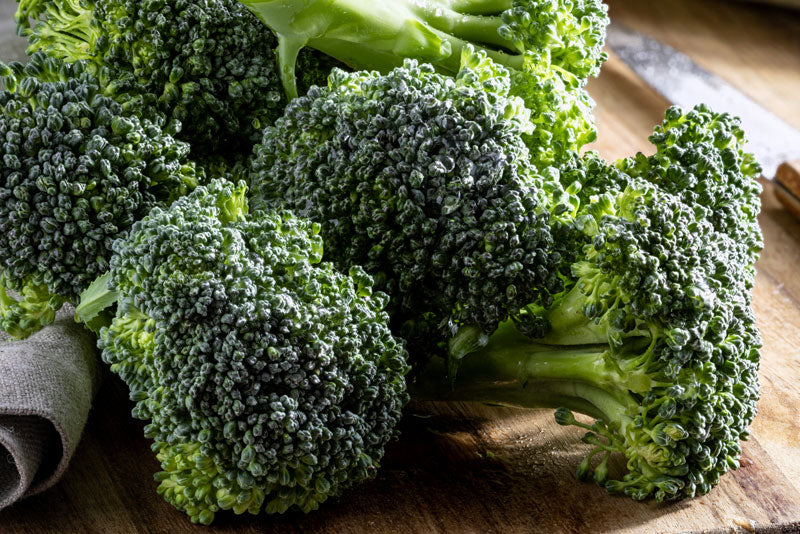
Which is rich in vitamin C and antioxidants, but also in chlorophyll (like all green vegetables), is a vegetable not to be neglected in juices. To be integrated into fruit and vegetable cocktails.
Sweet potato:

Like the potato, it is not considered "juicy" but finally, once passed through the extractor, it delivers a sweet and smooth juice, to be associated with the whole vegetable garden and the orchard, and its richness in vitamin C, copper and manganese makes it particularly interesting.
Fresh herbs:

Like basil, coriander and parsley, not only bring a very particular flavor that enhances all the associations, but a small pinch also deposits an interesting dose of vitamin C, chlorophyll and minerals. So we twist the juices with these herbs without hesitation!
Juices, false friends?
Of course, we love them. Of course, they offer a full range of vitamins in a single glass. But for some time now, they have been out of fashion. Have we overdone it? Has the trend for fruit and vegetable juice cures sounded the death knell for this healthy juicy trend?
Their main asset:
Allowing you to reach the "quota" of 5 daily portions much more quickly. But it is not without risks. A glass of juice is equal to approximately 150 ml of liquid, or approximately the equivalent of double the amount of fruit and vegetables (between 250 and 300 g), which is equivalent to approximately half of the recommended daily ration.
Other advantages?
These vitamin-packed champions combine very well with each other to the point of creating combinations that we would never have thought of proposing in the same menu (broccoli/orange/cucumber/parsley/apple!). For those whose intestines are attacked by certain fibers, they find in juices and smoothies a more painless way of consuming fruits and vegetables. But nevertheless, even a fragile intestine should not give up fibers which, although they can be irritating, are irreplaceable to ensure quality digestion.
What about fibers?
They guarantee good assimilation of carbohydrates, by slowing down digestion. They lower the level of bad cholesterol and serve as a sort of fertilizer for the intestinal flora . In addition, fibers that require significant chewing lead to a feeling of satiety that juice alone does not satisfy. Finally, it is the fibers that "carry" by mixing with them, the organic waste evacuated by the stools. As a result, after a glass of juice, we are hungry, even though we have just received a quantity of nutrients and calories often equivalent to a small meal.
Juices, yes, but not just any juice!
To combine pleasure and health, don't give up on juices. Learn to drink them at the right time and in the right quantities.
- Do not drink juice on an empty stomach , because the large amount of sugar is sent directly into the body, without being accompanied by fibers with a slowing effect. Drinking a large glass of fruit juice on an empty stomach is a bit like receiving a dose of sugar in an IV! In reaction, the body secretes insulin in order to "process" the amount of sugar and a few hours later, it is hypoglycemia. In passing, the amount of sugar stored in the cells is greater. In the long term, this is guaranteed weight gain, as well as an increased risk of diabetes and pathologies related to diabetes, including cardiovascular diseases.
- Do not drink more than one glass of fruit juice per day and, if it is at breakfast, always start with a glass of water to gently wake up the digestive system (The best: a glass of warm water, as close as possible to body temperature). Keep in mind that a fruit juice is a food and not water, water being an essential cellular messenger.
- A glass of juice, even multi-fruit juice, and even home-squeezed juice, does not replace a portion of vegetables at each meal.
- Always combine fruits and vegetables in a juice, focusing on 2 portions of vegetables and one of fruit.
- The right time is instead of a raw starter (at the start of the meal), instead of a fruit (for dessert), or instead of a snack.
Fresh or ready-made, is it the same?
No… because juices, even organic ones, are pasteurized in order to get rid of bacteria or the risk of developing them during their storage after opening. However, pasteurization consists of heating the juices to a high temperature, but in the process, the ones that suffer are the good nutrients and vitamins. The other major drawback of industrial juices is their salt and added sugar content. The caloric content is often salty!
Kefir, kombucha, kvass, shall we go?
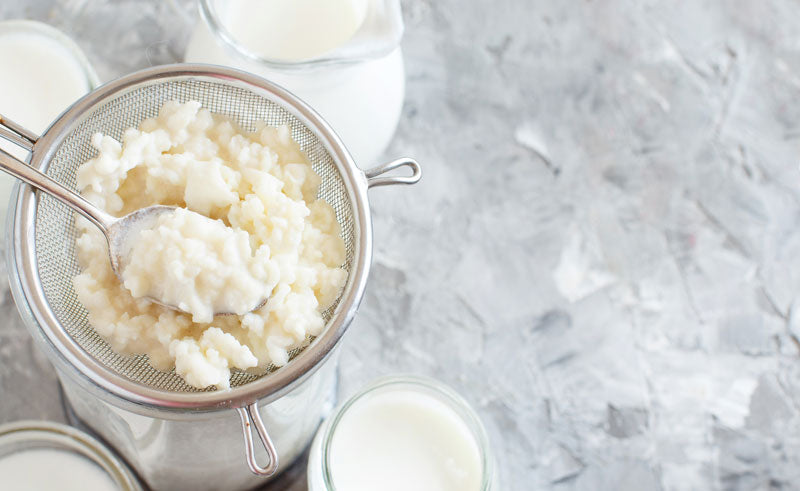


These are juices made from fermented fruits and vegetables . And what makes them so interesting is the fermentation. Rich in natural probiotics, these drinks (especially if they are prepared at home) protect and maintain the intestinal flora.
- Kefir is a slightly acidic carbonated drink, which is obtained by fermenting whey (from cow or sheep) with yeast in the form of kefir grains.
- Kombucha is a beverage prepared in a base of green or black tea, in which yeast, sugar or honey, a fruit or flavorings are added. As it ferments, kombucha becomes carbonated and rich in good yeasts that have developed during fermentation.
- Kvass (the most common version is made from beetroot) is a fermented, sparkling, slightly alcoholic drink (less than 1.2%) made from rye bread, beetroot, or fruits such as raisins or strawberries. It is used in some Eastern countries (especially Ukraine) as a base for soups or stews. It is also sold on the streets as a cold drink in the summer.
And the water?
If there is one drink that will never be advised against, it is water. As revered for what it provides as for what it drains, water is the cellular fuel par excellence, the organic protector (it behaves like airbags surrounding and protecting most of our organs) and it is the one that carries messages from one cell to another, hence the need for the message to be pure without the presence of sugar. Always choose water with a low content of dry residues (and therefore minerals). It may be less interesting from a nutritional point of view, but less expensive for the kidneys, whose major role as emunctory and therefore waste drainer it reinforces.
In conclusion: yes, (homemade) fruit juices are healthy, they are clean.
In summer more than ever, it is a delight to prepare a vitamin juice. But drinking it every day and several times a day as you would with water, tea or herbal teas, no. To quench thirst (which manifests itself precisely when you have not drunk enough water), we forget about fruit juice (or fruit & vegetable juice) that we reserve for pleasure breaks. Finally, if we have the reflex to prepare a fruit juice rather than a vegetable juice, we systematically think of combining them, if we have a juice extractor. Together, they offer a more balanced acid-base formula than a pure fruit juice.
And last tip: if drinking water is not yet a reflex, set an alarm every hour, between breakfast and dinner to drink a glass of water, avoiding meal times. It is at this rate that drinking water will become natural, and you will then be able to think of your fruit and vegetable juice recipes as real rewards!

What exactly is the microbiota?
It’s impossible to ignore the microbiota phenomenon. Boosting good bacteria, reducing the impact of bad ones… Taking care of your microbiota is important, that’s why.
Imagine a world with its leaders, its rules, its good guys, its bad guys, its communication systems. A world that lives in and on our organism. Welcome to the world of the microscopic microbiota! From the infinitely small, from bacteria to fungi, including other equally fun microorganisms. The microbiota is everywhere in our body…. For our greater good!
Two key figures to better understand its importance:
- 1 to 2 kilos, this is the average weight of the microbiota in adults
- 10,000 billion is the number of bacteria in our intestines.
There is not one microbiota but several microbiotas
Thanks to the huge success of the book "The discreet charm of the intestine" by Giulia Enders, we have all heard of this essential but often forgotten organ, the intestine! But besides the intestinal microbiota , the undisputed star of all microbiotas, there are others that are increasingly being talked about. For example, the skin microbiota : responsible on its own for redness, premature signs of aging and even juvenile or late acne! But do you know the importance of the scalp microbiota, oily roots, dry ends, does that ring a bell? But also that of the vagina... A disruption of its microbiota would explain, for example, the occurrence of mycoses and other very odorous and very unpleasant vaginal candidiasis. In the family of microbiotas, there is also the oral microbiota (from cavities to gingivitis...), the mouth being the first gateway into the body. In short, from the scalp to the armpits, the microbiota is everywhere!
The undisputed star is the intestinal microbiota
Since researchers have been looking into the intestinal microbiota, new avenues of research have opened up on many pathologies that are more or less distant from the stomach. Can't lose weight? Are you depressed? Are you thirty and still covered in spots? It could all be at the level of your intestine. How is this possible? Thanks to the brain-intestine link. Researchers have built a bridge between these two key organs of the body that communicate via a highly sophisticated system through the vagus nerve (which is also increasingly being talked about), the immune system and the production of certain neurotransmitters (dopamine, serotonin). In short, the brain and intestines send each other text messages all day long. "How are you? Yes, great" in the case of a top-notch microbiota. "Meh, meh this morning, our host is doing whatever he wants" in the case of dysbiosis (when the microbiota is altered). And the health results are not long in coming: from great fatigue to mild diarrhea to bloating, nothing is going well in our little belly. Moreover, since 1999 and the work of a certain Michael Gershon, neuro-gastroenterologist at Columbia University (New York), we have been talking about the belly as "a second brain."
In short, today researchers are studying the very close links between certain diseases and the microbiota . In addition to diabetes and obesity, the scope of action is quite broad. From so-called degenerative diseases (such as Parkinson's and Alzheimer's) to autoimmune diseases (such as multiple sclerosis) or other diseases that at first glance have nothing to do with the intestines, such as autism. We are therefore increasingly talking about the microbiota to cure certain diseases, or prevent them.
The key role of bacteria in the intestines
But what do the 10,000 billion bacteria located in the small intestine and colon make? First, it seems logical, they facilitate digestion by a well-oiled mechanism. The bacteria ferment certain fibers in the food bolus. This fermentation produces fatty acids (propionate or butyrate type) which serve as food for the cells of the colon, then as energy for the body. Thank you bacteria!
But in addition to "simple" digestion, which is already a factory in itself, the microbiota also plays other fundamental roles. It protects the body from unsavory bacteria through the barrier effect. In short, without a "Microbiota Health Pass", move along, you don't get in. Because, yes, the microbiota watches over the immune system of the entire body (and quickly warns the brain in the event of an unwelcome intrusion).
How to keep your microbiota in good shape?
First of all, you have to feed the beast (or rather the beasts) well. To do this, we rely on prebiotics and probiotics and other words ending in "ticks".

A prebiotic
A prebiotic is a food ingredient that is not digestible by us (for example, non-digestible fibers, fructo-oligosaccharides, etc.) that stimulates certain bacteria. In short, it is food for bacteria. Fruits, vegetables and legumes are full of them.
A probiotic
A probiotic is a micro-organism (bacteria, yeast, etc.) capable of rebalancing the flora of an ecosystem such as that of the intestines for example. A certain quantity is still required. This is what we usually call "good bacteria". The best-known probiotics are lactobacillus and bifidus. They are found in yogurts and fermented foods (sauerkraut, kefir, kombucha ) but also vinegar, pickles, miso soup.
A postbiotic
A postbiotic is a waste product of probiotics, which creates an environment favorable to the growth of good bacteria, a bit like soil for plants.
A symbiotic
A synbiotic is a combination of a probiotic and a prebiotic (in food supplements , for example).
Supplementation side
In terms of supplementation, plan probiotic cures to be consumed preferably in the morning on an empty stomach (and away from drinking a hot drink). For the record, here are the names of the bacteria that will reseed the intestine: Lactobacillus (L. for short) and Bifidobacterium (B. for short): L. casei (defensis), L. acidophilus , L. gasseri , L. rhamnosus , B. lactis (B. regularis), B. bifidum (bifidus), B. longum , B. breve , B. animalis and B. humanis . Note that each family of bacteria has its specificities. For example, against diarrhea, take Saccharomyces boulardii or Lactobacillus reuteri. Against eczema, again Lactobacillus reuteri . Against allergies, Lactobacillus caseii . If you are at a loss, the best thing to do is to ask your pharmacist for advice.
When to supplement?
After chemotherapy treatment, after taking antibiotics (moreover, it is recommended to accompany the treatment with the taking of probiotics such as Ultralevure® or Lactibiane®), but also if you often have "stomach aches" and are subject to intestinal discomfort, if you are often sick (from a minor cold to gastroenteritis) or if you have difficulty losing weight.
Towards a microbiotic diet?


On the food side, some foods are very microbiotic friendly . At the top of the podium, let's mention fermented drinks. Not beer... but kefir and kombucha (to be found in the organic sections of stores) which, by their nature, rebalance the microbiota. Note that kefir is much richer in healthy bacteria than its cousin yogurt!
Other hidden friends of the microbiota: garlic, onion and leek which naturally nourish the bacteria in our intestines. Another forgotten item in our menus are legumes (lentils, chickpeas, dried beans) which are rich in fibre. Another source of fibre is konjac (delicious in spaghetti form!). In winter, also think about sauerkraut (preferably bought in the fresh produce section). Finally, foods rich in inulin (a prebiotic fibre) are interesting: Jerusalem artichoke, salsify, asparagus, beets, etc. The microbiotic diet is therefore very varied and quite focused on plants . In fact, it is recommended to avoid red meat (particularly because of traces of antibiotics), saturated fatty acids and food additives. Another enemy of the microbiota: sugar , which tends (in addition to making us gain weight) to unbalance the intestinal microbiota by promoting in particular “bad” bacteria, those which have a pro-inflammatory action in the body.
Beware of stress
Modern enemy number 1, stress would also have an impact on the microbiota (remember the brain-intestine connections). Besides, we have all had a "stomach ache" one day because of stress. It is indeed cortisol, the stress hormone, which would increase intestinal permeability (in short, the intestines, a little weaker, are then more easily attacked by bad bacteria). So for a microbiota at the top, also think about taking a break by following meditation , Pilates or yoga sessions.
And what about fasting?
Since food is the fundamental pillar of the microbiota, we can wonder what are the effects of fasting on this ecosystem. Several studies tend to prove that intermittent fasting would promote a healthy microbiota. The reason? Lower carbohydrate intake (sugar, with inflammatory action). Especially since this type of 16-hour fast, by skipping breakfast or dinner, would also promote weight loss... A bonus for the microbiota since when the scale tips to the wrong side, inflammation and oxidative stress also increase.
While many studies on the microbiota of mice exist, there are still too few studies on humans planned for the moment. Note: in Turkey, a team of researchers conducted a study on the Ramadan fast and its effects on the microbiota. Result: an enrichment of "good bacteria" from the Bacteroides fragilis and Akkermensia muciniphila family, microorganisms that are cruelly deficient in cases of obesity. The reason given for this improvement in the intestinal microbiota? The resistance to dietary changes of these species that are particularly beneficial for our body. So, use common sense, eat as balanced a diet as possible and... give your microbiota and intestines a rest from time to time!